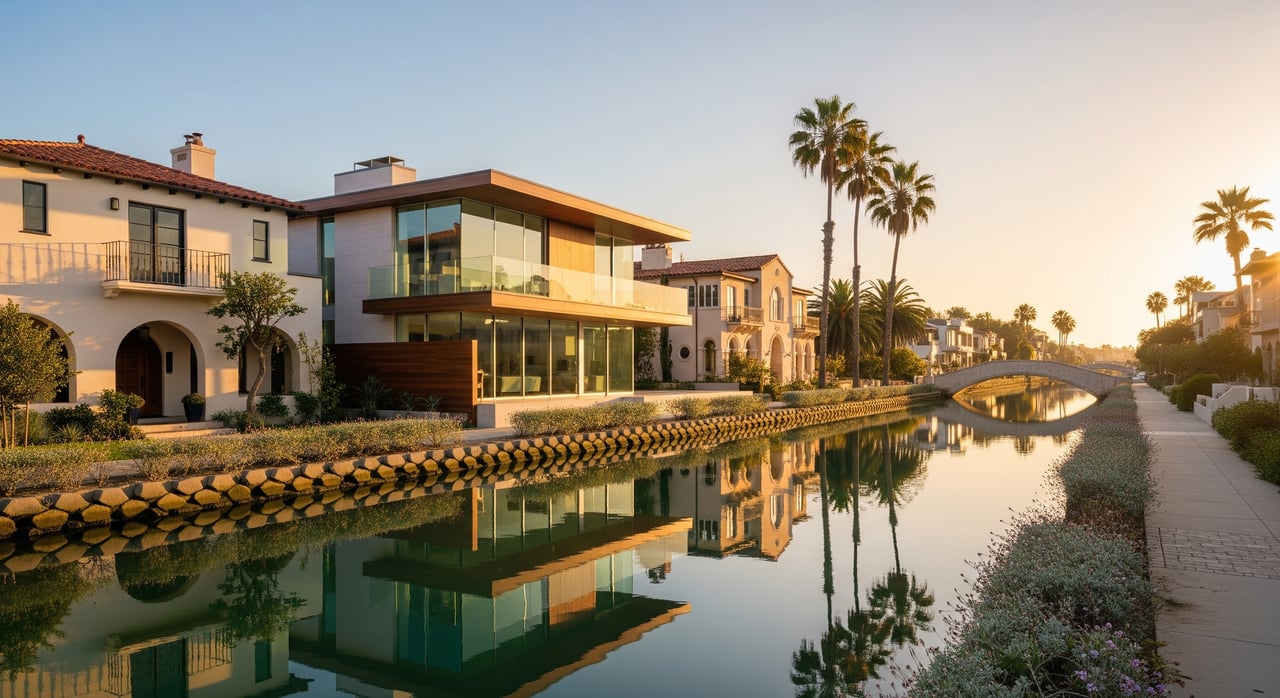
What draws you to Venice — the canals, the beach, or the distinct homes tucked along narrow streets? If you love design, the neighborhood’s mix of classic cottages and striking modern builds is part of the magic. Still, choosing a home style that fits how you want to live can feel overwhelming. This guide breaks down the architectural styles you’ll see, where they tend to cluster, and the practical details you should know before you buy. Let’s dive in.
Venice history in brief
Venice began in 1905 as Abbot Kinney’s “Venice of America,” with amusement piers, a canal network, and compact residential parcels that shaped a low-scale, walkable fabric. Early builders favored small bungalows, simple beach cottages, and bungalow courts on narrow lots. Over time, creative residents embraced the area’s character, and recent decades brought high-end renovations and contemporary rebuilds near the beach and commercial corridors.
If you want a deeper historical overview, the resources from the Los Angeles Conservancy and the Venice Neighborhood Council offer helpful context and neighborhood maps.
Architectural styles you’ll find
California Bungalow and Craftsman
These one to one-and-a-half story cottages often feature low-pitched gabled roofs, exposed rafters, generous porches, and warm wood details. Interiors tend to be compact with clever built-ins. You get a cozy, porch-forward lifestyle and human-scaled streets, with modest yards that invite casual neighborly interaction. You’ll spot them in Oakwood, by the canals, and in scattered inland pockets.
Canal and historic cottage types
Along the Venice Canals, small cottages in Craftsman, simple vernacular, and Mediterranean-influenced styles line the water. Lots are tight, and many homes face the canals directly, sometimes with docks or petite yards. Daily life centers on waterfront views and a serene walking environment, balanced by close visual proximity to neighbors. Access, stairs, and maintenance are common considerations here.
Mediterranean and Spanish Colonial cues
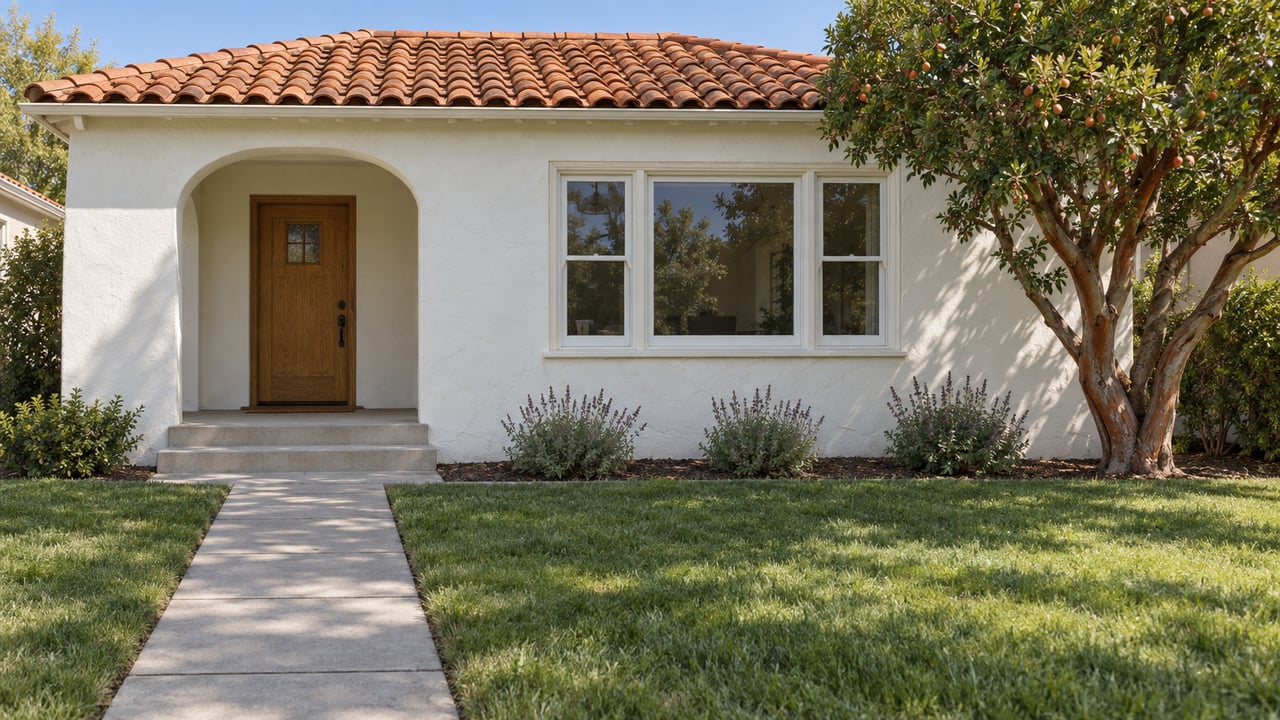
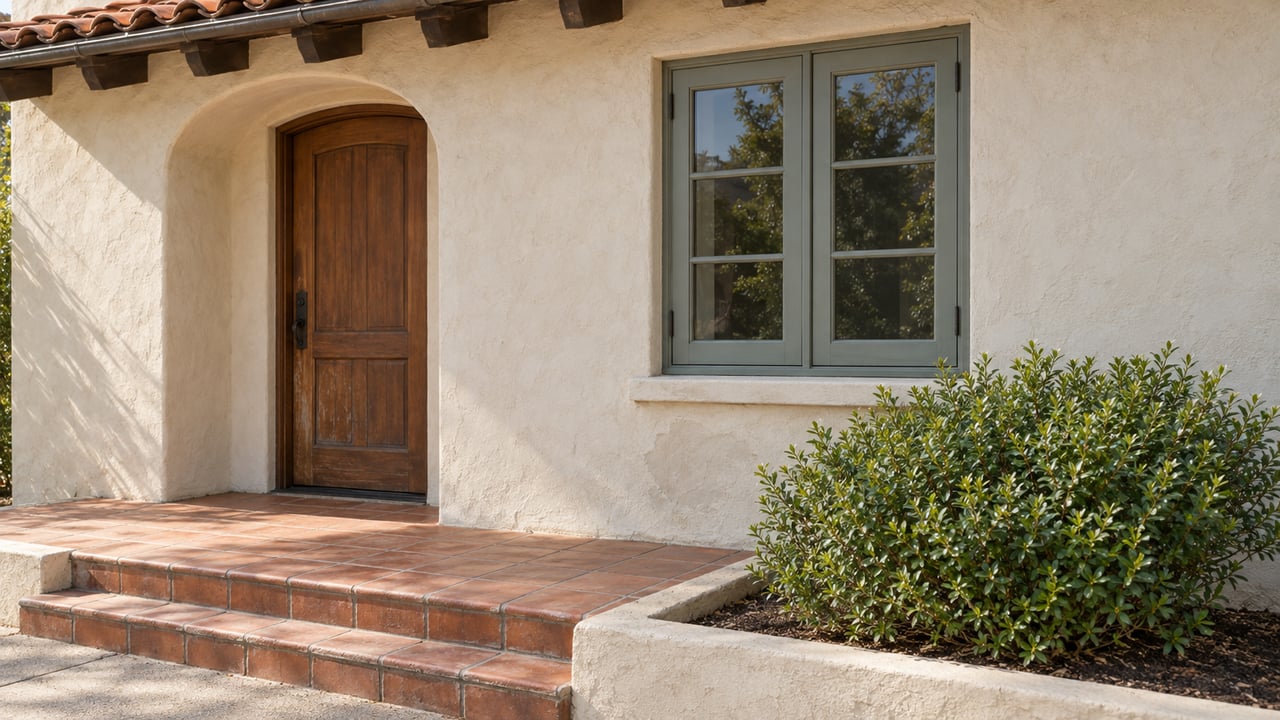
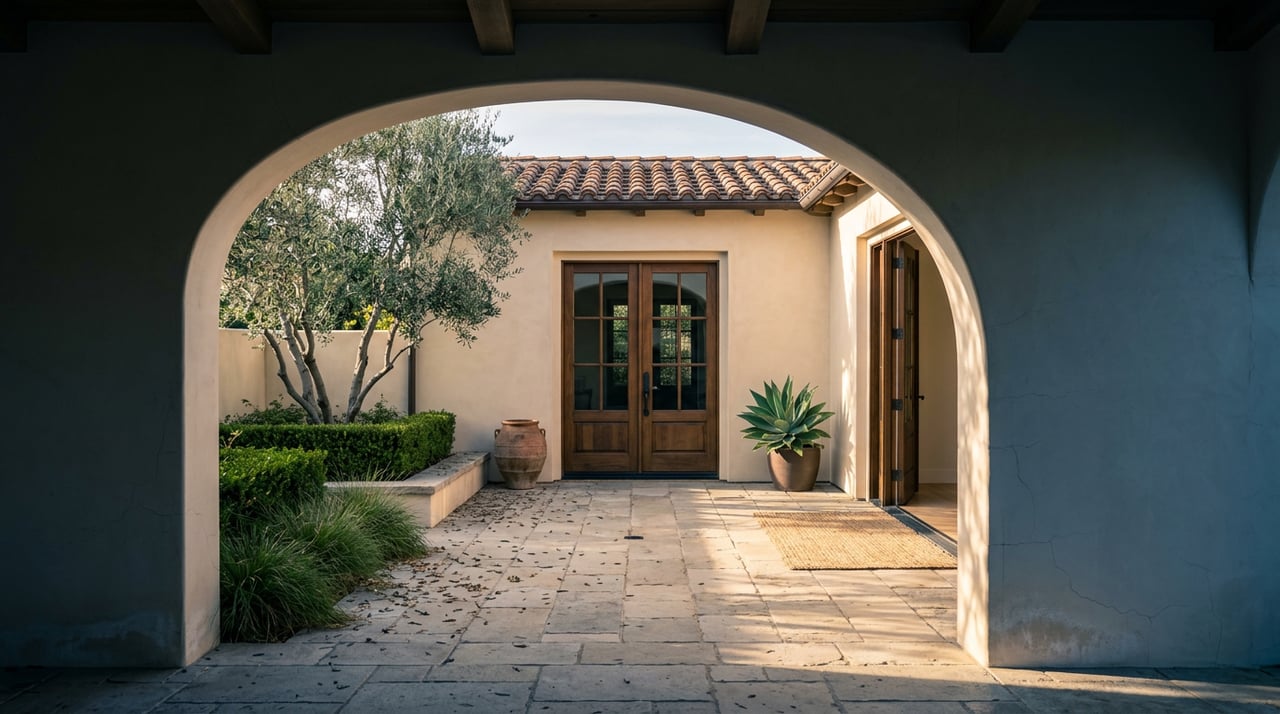
You’ll find stucco walls, red tile roofs, arched entries, and courtyards in modest versions across early blocks and near the canals. These homes often feel a touch more formal, with plaster textures and arched openings. Stucco performs well but needs routine coastal care to stay crisp.
Mid-century and Minimal Traditional
These simplified single-level homes bring cleaner lines and practical layouts. You may see more open interiors than in older bungalows, with efficient, ground-floor living that appeals to anyone who prefers fewer stairs. They are sprinkled through inland and transitional areas.
Contemporary and modern beach houses
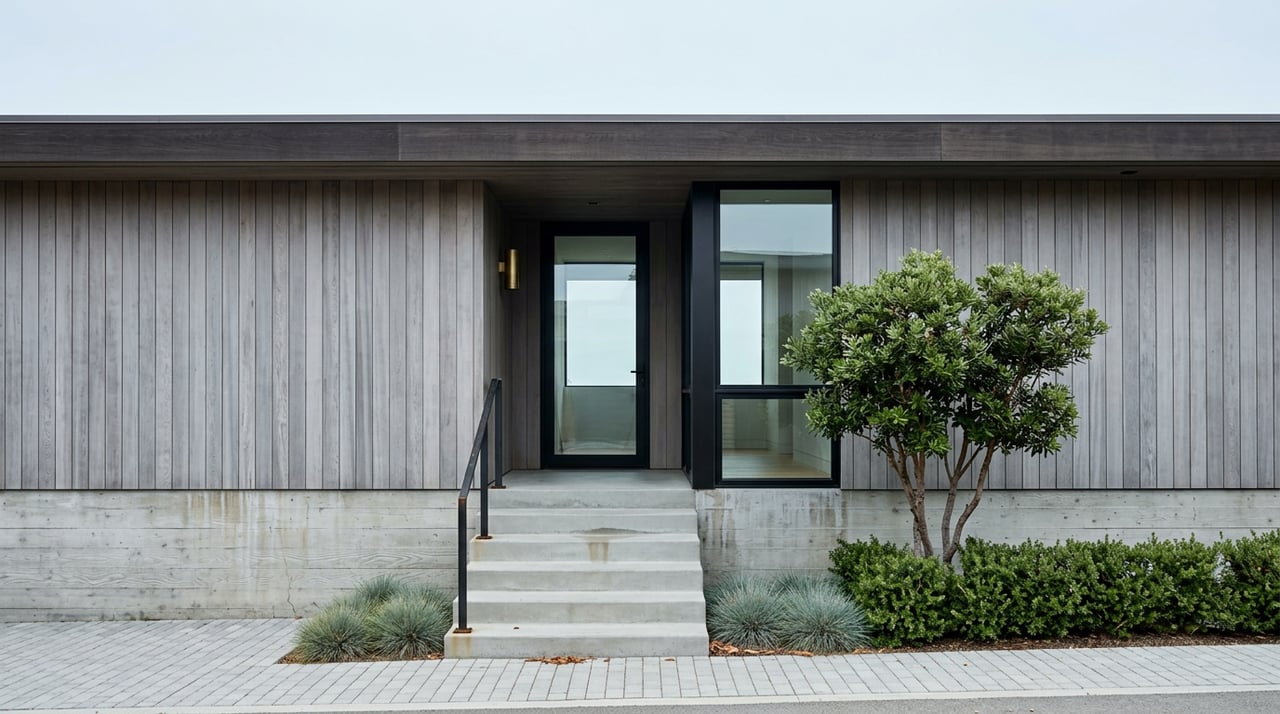
Many recent builds showcase glass facades, steel and concrete details, and indoor-outdoor flow on narrow lots. Roof decks, vertical layouts, and privacy solutions like frosted glazing and landscape screens are common. You’ll see them along Ocean Front Walk, parts of the Silver Strand, and a few blocks inland where lots offer light and view opportunities. Expect luxe finishes and a design-forward experience.
Live-work lofts and adaptive reuse
Converted storefronts, small warehouses, and garage studios bring high ceilings, open plans, and street-level entries. This is an ideal setup if you want a creative workspace at home with walkable access to shops and cafes. Look along Abbot Kinney Boulevard, Rose Avenue, and select corridors near Venice and Lincoln Boulevards.
Small-lot homes, duplexes, and ADUs
Small-lot subdivisions, historic bungalow courts, and duplex or triplex conversions add variety and flexibility. Accessory dwelling units are common across Los Angeles and increasingly present in Venice. These setups can offer rental income potential or space for multigenerational living, subject to zoning and coastal rules.
Where styles cluster in Venice
Venice Canals
- What you’ll see: Canal cottages in a mix of Craftsman, vernacular, and Mediterranean touches.
- Why it appeals: Unique waterfront character, pedestrian paths, and intimate scale.
Silver Strand and Oceanfront Walk
- What you’ll see: Older beach bungalows blended with modern multi-story beach houses.
- Why it appeals: Immediate beach access, strong pedestrian energy, and top-tier new construction.
Abbot Kinney and North Venice
- What you’ll see: Live-work lofts, adaptive reuse, boutique contemporary infill.
- Why it appeals: Walkability, dining, and an active creative scene.
Oakwood and nearby blocks
- What you’ll see: Clusters of early 20th-century cottages and bungalows.
- Why it appeals: Neighborhood feel, smaller homes with yards, and a classic Venice streetscape.
East of Lincoln and inland pockets
- What you’ll see: Mid-century homes, small-lot infill, duplexes, and ADUs.
- Why it appeals: More varied price points relative to beachfront, plus flexibility for added units.
Regulations and what to expect
Coastal permits and timelines
Much of Venice falls within the coastal zone. Remodels, additions, and new builds may require additional review through the California Coastal Commission and the City of Los Angeles Department of City Planning. The practical takeaway is simple: allow for longer timelines, extra documentation, and potential design refinements in ocean-facing and canal areas.
Flood zones and insurance
Venice’s low-lying geography means some parcels, especially near the shore and canals, are within FEMA flood zones. Before you write an offer, review the FEMA Flood Map Service Center for the property’s flood designation and request any elevation certificates. Factor potential flood insurance and resilience upgrades into your budget and due diligence.
Zoning, ADUs, and SB 9
State policies have opened more paths for added units and gentle density. California’s SB 9 enables certain duplexes and lot splits, and ADU reforms have broadened where and how you can add accessory units. Procedures vary by parcel and coastal status, so confirm details with the City of Los Angeles Department of City Planning and the California Department of Housing and Community Development. Expect coastal considerations to shape feasibility and timelines.
Parking and access
Narrow streets and limited curb parking are part of Venice life. Many garages have been converted into ADUs or studios, so verify permits and whether any conversions affect required parking. If you rely on street parking, understand local permit rules and enforcement patterns.
Historic character and alterations
While the canals and select properties carry historic significance, protections vary by address. If preserving original features is a priority, confirm any local overlays or landmark status before planning changes. For buyers eyeing a teardown or major addition, review approvals and past permits carefully.
Coastal maintenance realities
Salt air and moisture accelerate wear on metals, stucco, and wood. Contemporary builds often use corrosion-resistant materials, while older homes benefit from vigilant upkeep. Plan for more frequent exterior maintenance and budget for premium materials that perform well near the ocean.
Match style to lifestyle
- Beach-first living: Contemporary or restored beach houses along the Silver Strand and ocean-adjacent blocks. Expect vertical layouts, roof decks, and premium values.
- Porch culture and charm: California Bungalows in Oakwood and inland streets, plus select canal cottages with traditional details.
- Creative work-from-home: Live-work lofts and adaptive reuse near Abbot Kinney and Rose Avenue.
- Flexibility and income potential: Duplexes, small multiplexes, and homes with ADU opportunities in inland areas, subject to local and coastal rules.
- Views and elevated finishes: New contemporary builds on ocean-facing and light-filled north Venice lots.
Buyer viewing checklist
- Confirm coastal zone status and any needed permits with city planning and coastal reviewers.
- Pull FEMA flood maps and review any elevation certificates or flood insurance history.
- Verify ADUs, garage conversions, and past work are permitted and finalized.
- Ask about canal or seawall maintenance obligations if near the water.
- Review street parking rules, permit zones, and off-street parking details.
- Inspect for salt-related wear, material choices, and maintenance records.
- Check for historic overlays or landmark restrictions that affect alterations.
- Request final approvals for major renovations or rebuilds, including coastal permits where applicable.
A design-first partner in Venice
Whether you are drawn to a classic bungalow or a glass-box beach home, the right preparation and guidance make all the difference in Venice. Our team pairs design-savvy insight with transaction expertise to help you weigh lifestyle fit, regulatory steps, and long-term maintenance. If you want a boutique, founder-led approach calibrated to Venice’s nuances, we’re ready to help.
Ready to explore homes that match your style and daily life? Connect with Casty Living for tailored advice, smart preparation, and an efficient path to your next move.
FAQs
What architectural styles define Venice, CA?
- Venice features California Bungalows, canal cottages, Mediterranean-influenced homes, mid-century designs, contemporary beach houses, live-work lofts, and small-lot or duplex properties.
How do coastal permits impact Venice remodels?
- Many projects require coastal review, which can extend timelines and add design conditions, so plan early with the California Coastal Commission and city planning resources.
What should I know about flood risk near the canals?
- Check the FEMA Flood Map Service Center for flood zone status and budget for insurance or resilience upgrades if the property is in a designated zone.
Can I add an ADU or split a lot in Venice?
- ADU reforms and SB 9 allow more options, but coastal rules and local procedures through City Planning determine feasibility on a parcel-by-parcel basis.
Where can I find live-work spaces in Venice?
- Look along Abbot Kinney Boulevard, Rose Avenue, and nearby corridors with adaptive reuse and storefront conversions, close to cafes and creative services.