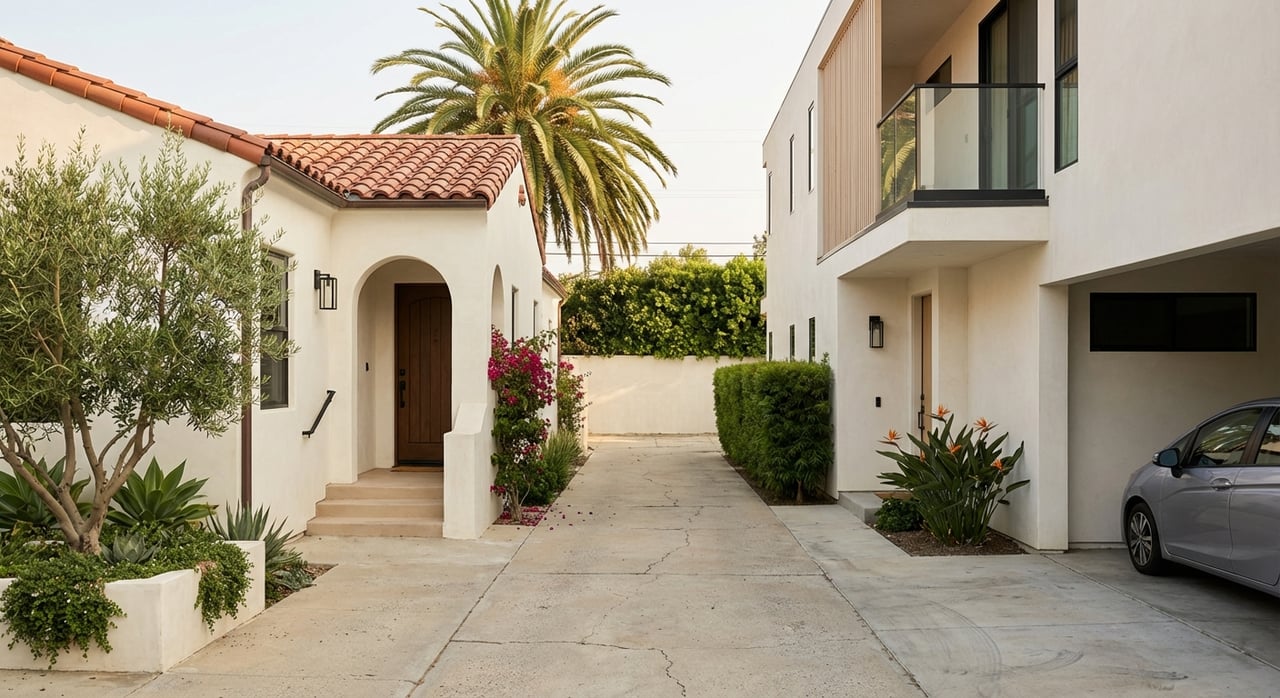
What if your daily Venice routine could be shaped by a single choice: canals, walk streets, or east of Lincoln? You might be weighing quiet mornings on a footbridge, front‑yard chats on a pedestrian lane, or a little more space and easier parking inland. This guide breaks down the three defining Venice lifestyles so you can match budget, design goals, and day‑to‑day living with the right pocket. You’ll see price context, housing types, parking realities, lifestyle trade‑offs, and a practical checklist to shop with confidence. Let’s dive in.
Venice market at a glance
Venice is a small, high‑demand coastal market where prices move with limited inventory. As of a January 2026 snapshot, the neighborhood’s overall median sale price hovered around $1.9–2.0 million (Redfin). Medians can swing month to month, so use 6–12 month views and verify recent solds on the exact block you’re targeting. Boundaries also vary by portal and MLS, which is why being precise about micro‑areas matters. The Venice Neighborhood Council is a good starting point for how locals refer to areas and edges.
Venice Canals: iconic, intimate, and premium
The Venice Canal Historic District is a nationally recognized historic district restored in the 1990s. It is a tightly bounded pocket of narrow lots fronting peaceful waterways, with alleys behind many homes.
Price context
Recent platform snapshots place canal‑area medians broadly in the $2.4–3.8 million range depending on source and period, with a January 2026 Redfin snapshot at the higher end. Expect significant variation by exact canal frontage, width, orientation, and level of rebuild.
Housing and design profile
You’ll find a mix of preserved bungalows and Craftsman cottages alongside multi‑story modern rebuilds. Lots are narrow, which often pushes design vertical. If you prioritize architecture and curated indoor‑outdoor living, the canals deliver a distinctive canvas.
Parking and access
On‑site parking is often limited to small garages or tandem setups off alleys. Street parking is tight. Los Angeles manages resident permits, preferential parking districts, meters, and beach‑area programs; review signs closely and confirm eligibility for permits through LADOT’s parking programs before you commit.
Lifestyle trade‑offs
- Pros: scenery, privacy compared with the boardwalk, strong curb appeal, and premium asset value.
- Cons: top‑tier price per square foot, tighter access for contractors and deliveries, and low‑lying geography. Coastal studies identify Venice Beach and adjacent low areas as sensitive to long‑term sea‑level rise, so evaluate flood zones and insurance carefully. For background, see peer‑reviewed research on coastal flood‑risk adaptation for Los Angeles.
Walk Streets: pedestrian charm close to it all
Venice’s inland walk streets are short, pedestrian‑oriented lanes such as Marco, Amoroso, Nowita, and Crescent. They create a front‑porch culture with footpaths instead of standard car‑forward streets. The district is referenced in broader Venice overviews and is well known locally.
Price context
Aggregated estimates often place walk‑street homes in a premium band, with some data snapshots showing averages around $3.5–4.1 million depending on whether you are looking at original bungalows or newer three‑story moderns. Prices vary sharply by size, finish, and exact lane.
Housing and design profile
Expect charming bungalows and cottages alongside thoughtful infill. Many newer builds go vertical to maximize living area while keeping a small footprint. If you value an intimate street scene and design‑forward remodels, this pocket competes with the canals on lifestyle.
Parking and access
Because these are pedestrian‑oriented lanes, access is primarily via alleys and short driveways. Confirm garage size, legality, and any off‑street spots during due diligence. City programs and posted restrictions still apply; check LADOT’s resident and district permits if you expect frequent guests.
Lifestyle trade‑offs
- Pros: quiet pedestrian character, a neighborly feel, and proximity to Abbot Kinney and the canals.
- Cons: fewer car conveniences, smaller lots, and potential limits on expansions due to setbacks or historic considerations.
East of Lincoln: more space and value variety
“East of Lincoln” refers to the inland pocket east of Lincoln Boulevard toward Mar Vista, including areas around Penmar Park and the golf course. Definitions vary across brokers and portals; consult local references like the Venice Neighborhood Council when you compare blocks.
Price context
Reported medians vary by data vendor, but this inland area often shows lower price‑per‑square‑foot than beachfront or canal pockets. You can sometimes secure more house or lot for the budget, depending on block and condition.
Housing and design profile
Stock is more mixed: smaller single‑family homes, duplexes, and apartments are common. Compared with beach blocks, you may find more conventional lot patterns and a wider slate of value‑add opportunities.
Parking and access
Street parking is generally easier than near the beach, and many properties have driveways or garages. Traffic along Lincoln can be busy and commercial, so evaluate your exact route patterns and noise exposure on a property‑by‑property basis.
Lifestyle trade‑offs
- Pros: relatively more space, easier parking in many spots, and proximity to parks and interior retail.
- Cons: less of the classic beach energy and more block‑to‑block variation. Walking the area at different times of day is essential.
A quick note on the boardwalk blocks
The Ocean Front Walk and immediate beach blocks are a unique micro‑market with intense tourism and public activity. Median figures reported for the broader “Venice Beach” area often show wide ranges because individual oceanfront properties trade at very different levels from inland blocks. Local reporting has covered public‑space dynamics and city responses in this area; for context, see the Los Angeles Times’ coverage of boardwalk cleanup efforts. If you crave immediate beach access and constant energy, include this strip in your tour plan, then weigh acoustic glazing and layout to manage noise.
What this means for your budget
- The canals and walk streets typically command premium pricing relative to the Venice median.
- East of Lincoln often delivers more square footage or land for the dollar, with wider variation by block.
- Parking, flood insurance, and historic review can materially change carrying costs and timelines. Build those into your comparison.
Smart due diligence for Venice buyers
Venice rewards buyers who verify details early. Use this checklist during showings and escrow.
Short‑term rental and home‑sharing rules
Los Angeles limits short‑term rentals to a host’s primary residence with required registration. There is a standard program and an extended option, plus rules on registration numbers and tax collection. Review eligibility carefully, especially for accessory units or rent‑controlled buildings. Learn more from City Planning’s guide to the Home‑Sharing Program and the municipal code language in Section 12.22 A.32.
Parking permits and restrictions
Confirm if the home sits inside a Preferential Parking District, what guest permits are available, and how meter rules affect you. Seasonal and event‑day pressure is real near the beach and Abbot Kinney. Start with LADOT’s overview of resident and district permits.
Flood, sea‑level rise, and insurance
Low‑lying canal and beachfront parcels can carry higher flood considerations over time. Ask for the property’s FEMA flood‑zone designation and obtain insurer quotes early. For a research backdrop on local exposure and adaptation, see this coastal study of Venice Beach and greater Los Angeles.
Historic overlays and permits
The canals are a listed historic district, and parts of North Venice are recognized for historic character. Exterior changes, additions, or full rebuilds may require extra review. Confirm status and process before you model renovation timelines. Background on the canals’ designation is available via the Venice Canal Historic District.
Taxes, HOAs, and rent‑control basics
California’s Prop 13 sets a base 1 percent levy on assessed value, with local bonds and parcel taxes added on top. For condos, review HOA reserves, upcoming assessments, and rental or STR rules. For multifamily, verify whether units fall under the City of Los Angeles Rent Stabilization Ordinance based on year built and use.
Inspections that matter here
- Canal and beachfront homes: check moisture history, foundation, termite and wood elements, sewer laterals, and salt‑air corrosion on metals and fittings.
- Inland infill and multifamily: confirm permit history for additions or garage conversions, attic ventilation, and any required seismic retrofits for older soft‑story buildings.
Who thrives in each pocket
- Venice Canals: You want design‑forward architecture on a rare, storybook backdrop and are comfortable with premium pricing, tighter access, and flood due diligence.
- Walk Streets: You value pedestrian life, neighborly energy, and curated small‑lot living, and you are open to a smaller footprint or vertical layouts.
- East of Lincoln: You seek more house or yard for the budget, prefer easier parking, and want a mix of single‑family and small‑multifamily options.
Strategy tips to shop like a local
- Get hyper‑specific on search filters. Portals and even MLS inputs define “Venice,” “Walk Streets,” and “East of Lincoln” differently, so target exact blocks by name.
- Use sold comparables from the last 6–12 months on your precise street. In a small inventory market, one large outlier sale can skew a monthly median.
- Budget for parking solutions, insurance, and any historic review steps as line items, not afterthoughts.
- Consider commute patterns. Proximity to Westside tech and creative hubs has shaped demand in recent years. For a macro view of the regional tech cluster, see BCG’s analysis of Southern California’s innovation economy.
Ready to zero in on the right Venice pocket for your lifestyle and renovation goals? With boutique, design‑savvy representation and careful block‑by‑block pricing, you can buy with confidence and enjoy the seaside life you want. If you’d like a tailored Venice purchase plan or a second opinion on a specific home, connect with Casty Living. Let’s Chat!
FAQs
What makes the Venice Canals unique for buyers?
- The canals form a nationally recognized historic district with narrow lots and pedestrian bridges, creating a distinct, low‑car streetscape and premium appeal. See the Venice Canal Historic District for background.
How strict are short‑term rental rules in Venice, Los Angeles?
- Los Angeles allows home‑sharing only at a host’s primary residence with registration and compliance requirements; review details in the City Planning Home‑Sharing Program guide.
Do I need flood insurance to buy on the canals or near the beach?
- Requirements depend on your FEMA flood‑zone designation and lender. Given low‑lying topography, obtain insurer quotes early and review long‑term studies like this coastal flood‑risk analysis.
How does parking work on Venice walk streets and near the beach?
- Many homes rely on alleys and small garages; street parking is regulated with permits and meters. Check eligibility and rules via LADOT’s parking programs.
What is the current median sale price in Venice?
- As of a January 2026 snapshot, Venice’s overall median sale price was about $1.9–2.0 million (Redfin). Medians vary by month and micro‑area, so verify recent solds on your target block.
Is East of Lincoln usually more affordable than the canals or walk streets?
- Often, yes on a price‑per‑square‑foot basis, though results vary by block, lot size, and condition. You can sometimes secure more space inland while staying close to Westside amenities.