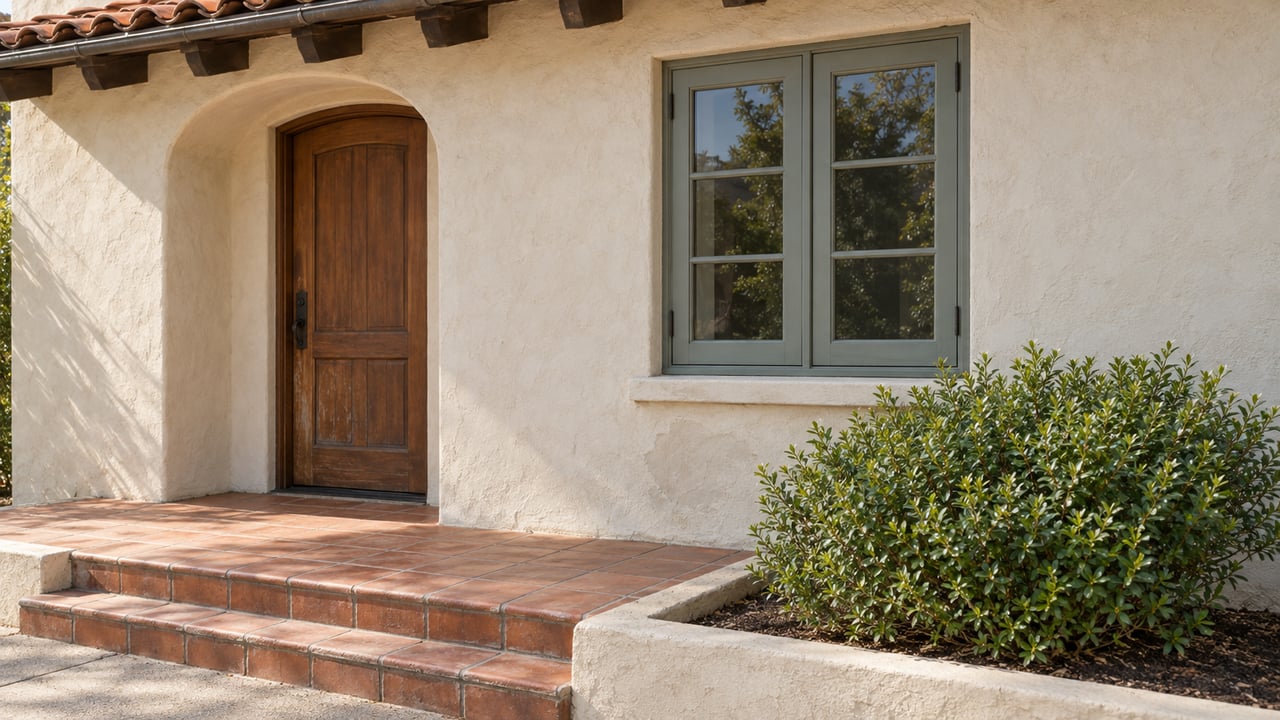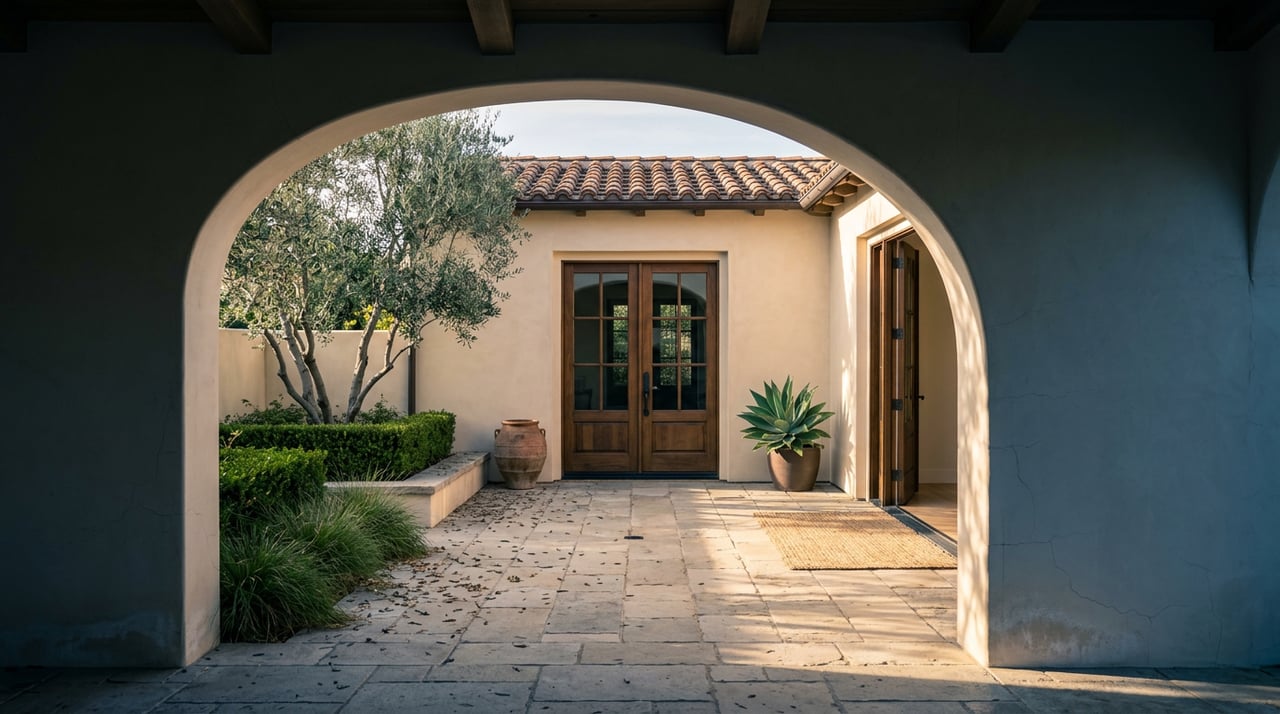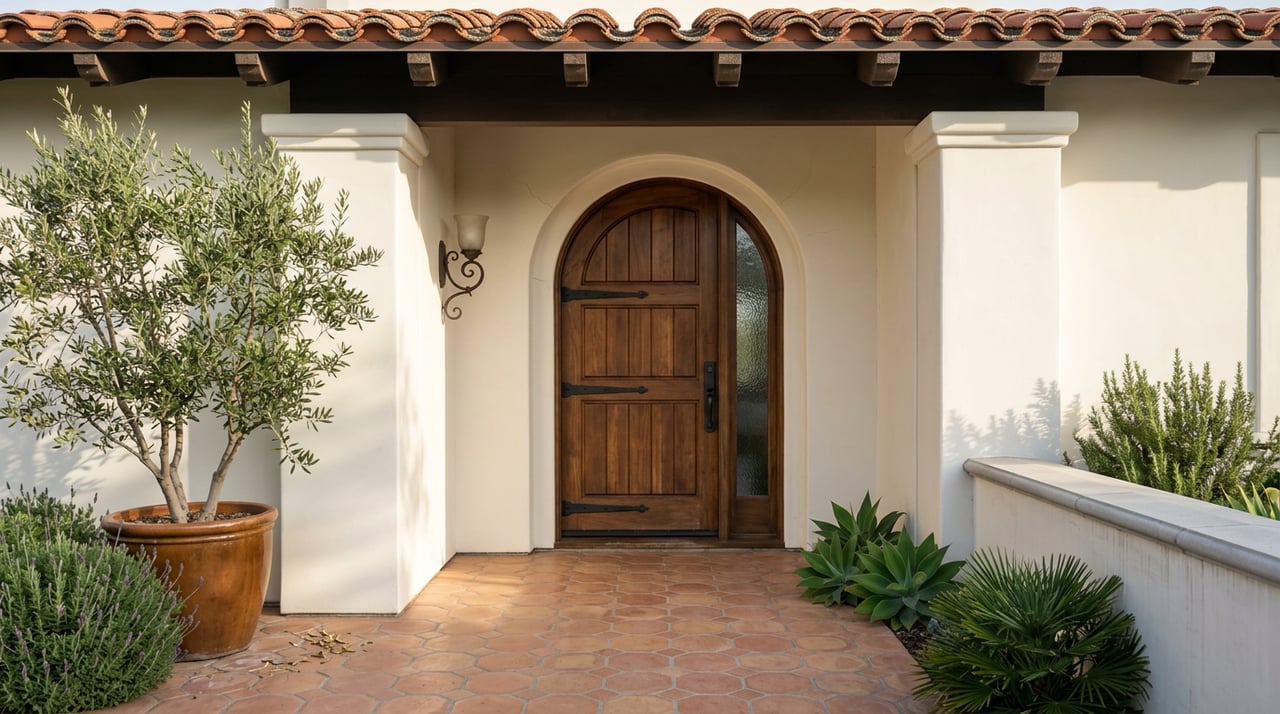
Two Craftsman bungalows go on the market three blocks apart in Los Feliz. Same era, same square footage, same walk to the Village. One listing mentions, almost in passing, that the home "may qualify for the Mills Act." The other states plainly that it already carries a Mills Act contract, recorded and transferable at closing.
Those two sentences sound like the same selling point. They are not. As of September 2026, the City of Los Angeles has not accepted a new Mills Act application since 2020. A 2025 draft to revive the program is now on hold while the city works through its Fiscal Year 2025-26 budget deficit, according to the Los Angeles Conservancy's tracking of the program. "May qualify" describes a door that is currently closed. "Already has a contract" describes a financial asset that changes hands at the sale.
That distinction is the thing worth understanding before you write an offer, or before you price a listing, on a designated home in this neighborhood.
Three Words That Get Flattened Into One
Buyers and sellers in Los Feliz throw around "historic" as if it means one thing. It covers three separate mechanisms, and a given house can carry any combination of them.
Historic Preservation Overlay Zone (HPOZ) is a district designation. It applies to a defined area of contributing properties, not to a single address, and it means exterior changes visible from the street go through a review process before permits are issued.
Historic-Cultural Monument (HCM) is an individual designation. A single property earns it on its own architectural or cultural merit, independent of whatever district it sits in.
Mills Act is a tax mechanism, not a preservation designation at all. It is a contract between an owner and the city that reassesses the property using an income approach rather than market value, in exchange for a commitment to maintain the home to preservation standards. A property needs an eligible designation to apply, but designation alone does not produce the tax benefit. Only a signed, recorded contract does.
A Los Feliz home can hold an HPOZ designation, an HCM designation, both, or neither. The only way to know is to check the specific address against the city's Office of Historic Resources records, not to assume anything from the neighborhood's reputation.
The Only District in the Neighborhood
Los Feliz has just one HPOZ: Hollywood Grove, a pocket of homes between Franklin Avenue and the southern edge of The Oaks. The city's 2011 preservation plan survey counted 135 contributing properties in the district; more recent neighborhood guides commonly cite 139, likely reflecting boundary or count updates since that original survey. Either way, it is a small, specific footprint, not a description of Los Feliz at large. The homes date mostly from 1905 to 1939 and lean Craftsman, Colonial Revival, and Transitional Arts and Crafts, with the survey noting that roughly three-quarters of the district's structures qualify as historically contributing.
Individual HCMs are a different map entirely. Los Feliz has more than 50 of them, scattered across the neighborhood rather than clustered in one district, and they range from architect-driven landmarks to homes significant for who lived there. The Blackburn Residence, a Spanish Colonial Revival house designed by Paul R. Williams, is one. The Abraham Gore Residence on North Catalina Street, designated in 2014, is another. Neither sits inside Hollywood Grove. Both carry their own individual review requirements regardless of what district, if any, surrounds them.
This matters at the offer stage. A house outside Hollywood Grove is not automatically free of historic-review friction just because it is not in the district. If it carries an individual HCM designation, the same exterior-change review applies to that one address. And a house inside Hollywood Grove that lacks any individual landmark status still answers to the district's design guidelines the moment an owner wants to swap windows or add a front-facing addition.
What Actually Surfaces During Escrow
The designation itself rarely kills a deal. What surfaces during inspection and disclosure review is more specific: permit history.
Exterior modifications made without Office of Historic Resources approval, on a district-contributing home, are non-compliant regardless of when they happened or how invisible they seem from the curb today. New windows, a swapped front door, a fence addition. A buyer's agent working a Los Feliz transaction will ask for the permit history on any designated property, and undocumented exterior work becomes a disclosure conversation rather than a footnote.
Age brings its own separate friction. Older Los Feliz housing stock, inside or outside any historic overlay, commonly still carries original knob-and-tube wiring in parts of the system. Most insurance carriers will not write a policy on a home with active knob-and-tube, which turns what sounds like a cosmetic quirk into a financing and contingency issue well before anyone discusses the fireplace or the front porch.
Neither of these is a reason to avoid a designated home. They are reasons to pull permit records early, ideally before a listing goes live rather than after a buyer's inspector finds the gap.
The Mills Act, in Practice
Here is where the September 2026 timeline actually changes the math for a buyer or seller.
Where a Mills Act contract already exists, the savings are real and they transfer. Commonly cited reductions run from roughly 40 to 60 percent of the annual property tax bill, sometimes reported as high as 70 percent depending on the property and its existing assessment. Combined, Mills Act contract holders across the City of Los Angeles save more than $20 million in property taxes annually, per the Los Angeles Conservancy. On a high-value Los Feliz home, that reduction can mean tens of thousands of dollars a year, and because the contract runs with the property rather than the owner, it passes to the next buyer at closing exactly like a recorded easement would.
Where a contract does not exist, "eligible" is a theoretical status right now, not an actionable one. The city has not opened a new application cycle since 2020. In December 2025, the City Council approved a new annual fee structure for the program, effective February 23, 2026, but that change applies only to the roughly 246 existing contracts signed since 2014. It funds administration of what already exists. It does not reopen the door for new applicants, and the broader policy revisions proposed in 2025 remain shelved while the city addresses its budget shortfall.
So the diligence question for a Los Feliz buyer is not "does this home qualify for the Mills Act." Almost any sufficiently old, sufficiently designated home in the neighborhood could, on paper. The question is whether this specific address already carries a signed, recorded contract, because that is the only version of the benefit currently available to a buyer closing in 2026.
A Short Checklist Before You Write the Offer
Confirm designation status directly with the city rather than trusting a listing description. HPOZ, HCM, and Mills Act are three separate facts, and a listing that mentions one does not confirm the others.
Pull the permit history through the Los Angeles Department of Building and Safety before falling for the exterior. Unpermitted street-visible changes on a designated property are a disclosure item, not a negotiating footnote.
Ask specifically whether a Mills Act contract is recorded and set to transfer at closing. Do not accept "eligible" as equivalent to "in place." They currently describe two very different financial realities.
If renovation is part of the plan, budget review time for any street-visible work inside Hollywood Grove, and confirm whether an individual HCM elsewhere in the neighborhood carries its own added scrutiny.
Expect the standard California disclosure package, including the Transfer Disclosure Statement and Seller Property Questionnaire, to note designation and any existing historic tax contract. Treat an existing contract as an asset worth confirming in writing, and check current transfer tax thresholds with your escrow officer, since higher-value Los Angeles sales can trigger the city's Measure ULA tax in addition to standard county and state transfer costs.
A Few Direct Questions
Does historic designation lower a home's resale value in Los Feliz? Not as a rule. Designation narrows the buyer pool to those who want to preserve rather than replace, but Los Feliz has a deep bench of buyers who specifically seek architectural authenticity.
Can I apply for a Mills Act contract after I close on a house? Not right now. The city has not accepted new applications since 2020, and the program remains paused for new entrants as of this writing.
If a home is in Hollywood Grove, does that mean it's also a Historic-Cultural Monument? No. HPOZ and HCM are separate designations. A home in the district may or may not also hold individual landmark status, and the reverse is equally true.
Historic homes reward careful preparation more than most. Knowing which designation actually applies, and whether a Mills Act contract already exists rather than merely being theoretically available, changes how a Los Feliz property should be priced, marketed, and negotiated from the first conversation. If you are weighing a purchase or a listing in one of these homes, Casty Living can walk the permit history, the disclosures, and the numbers with you before you're locked into either side of the table. Let's Chat!