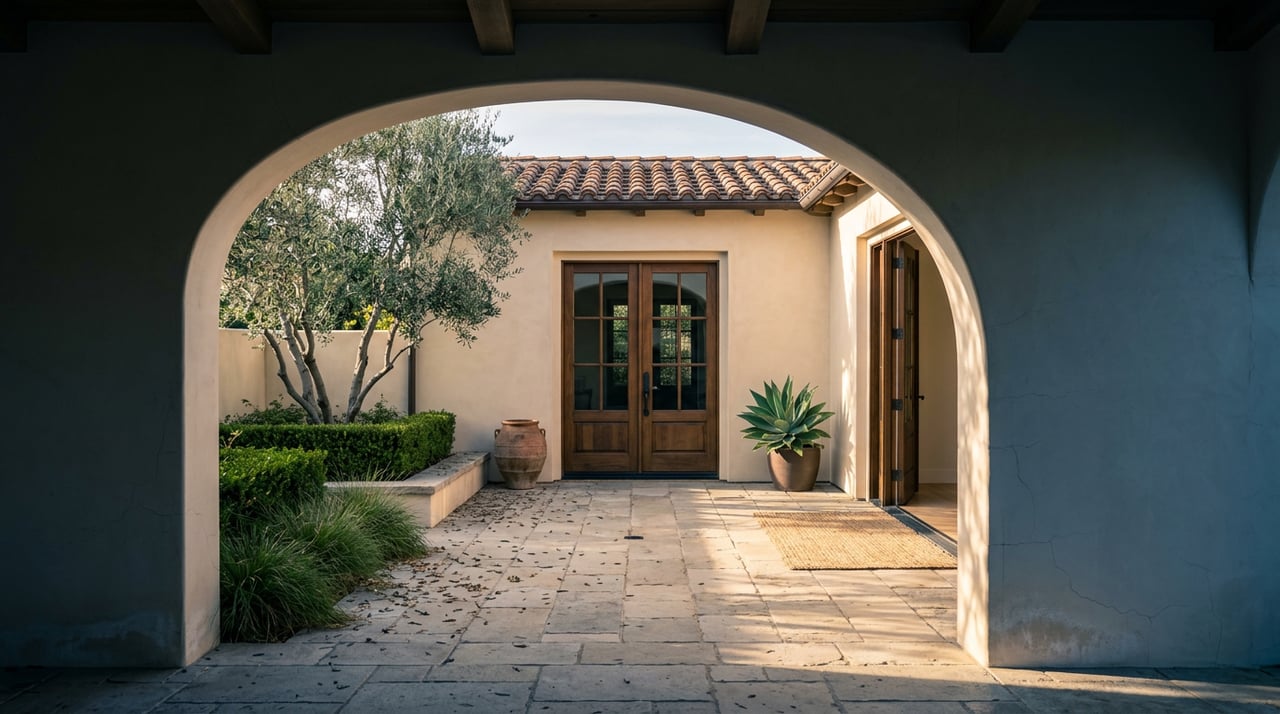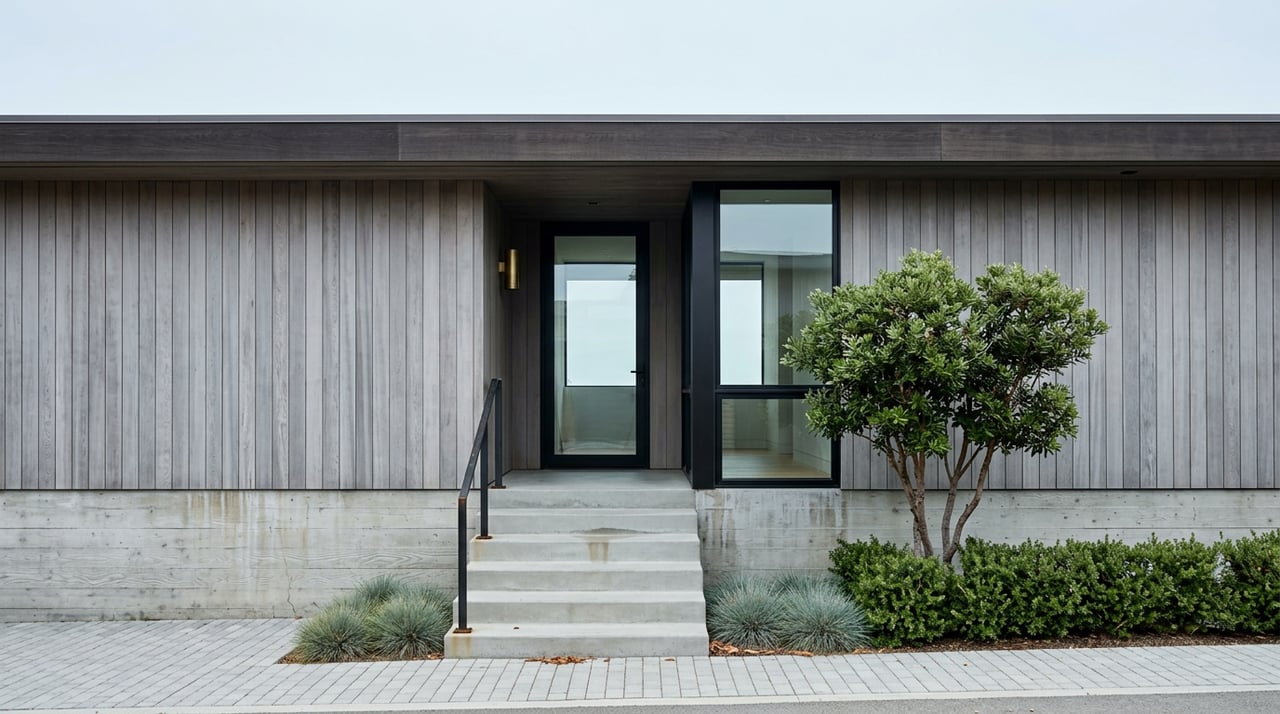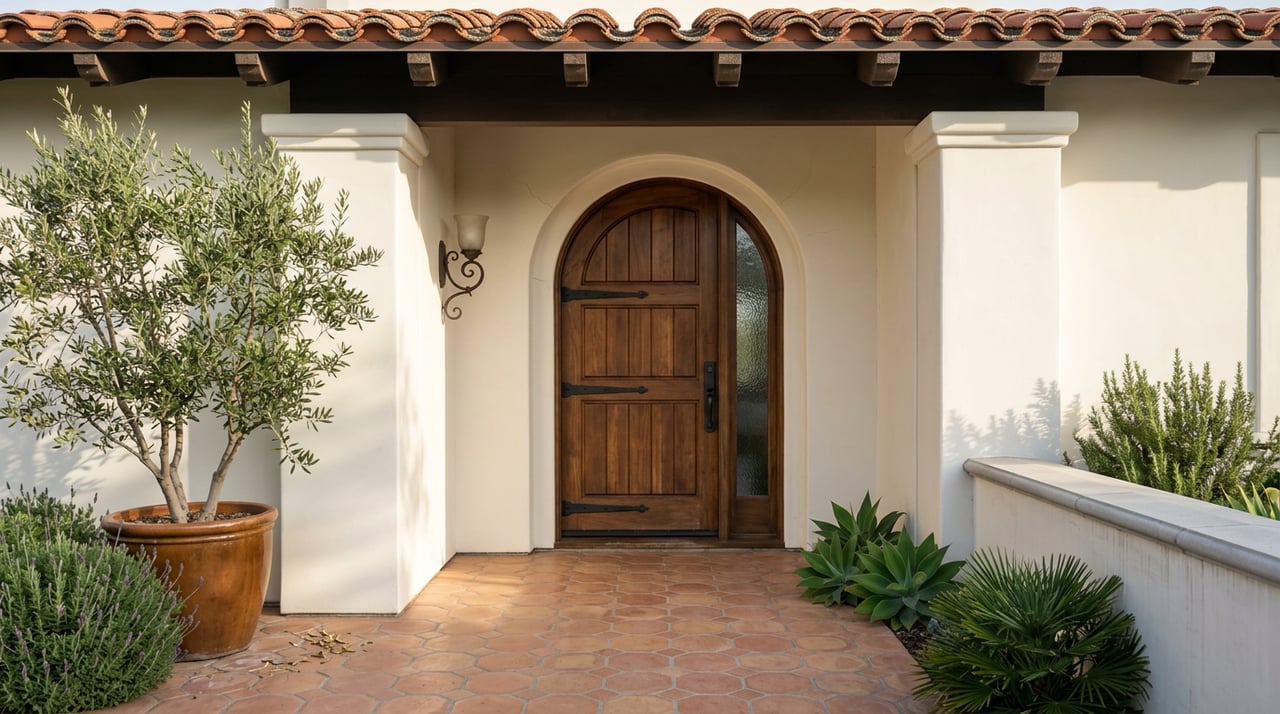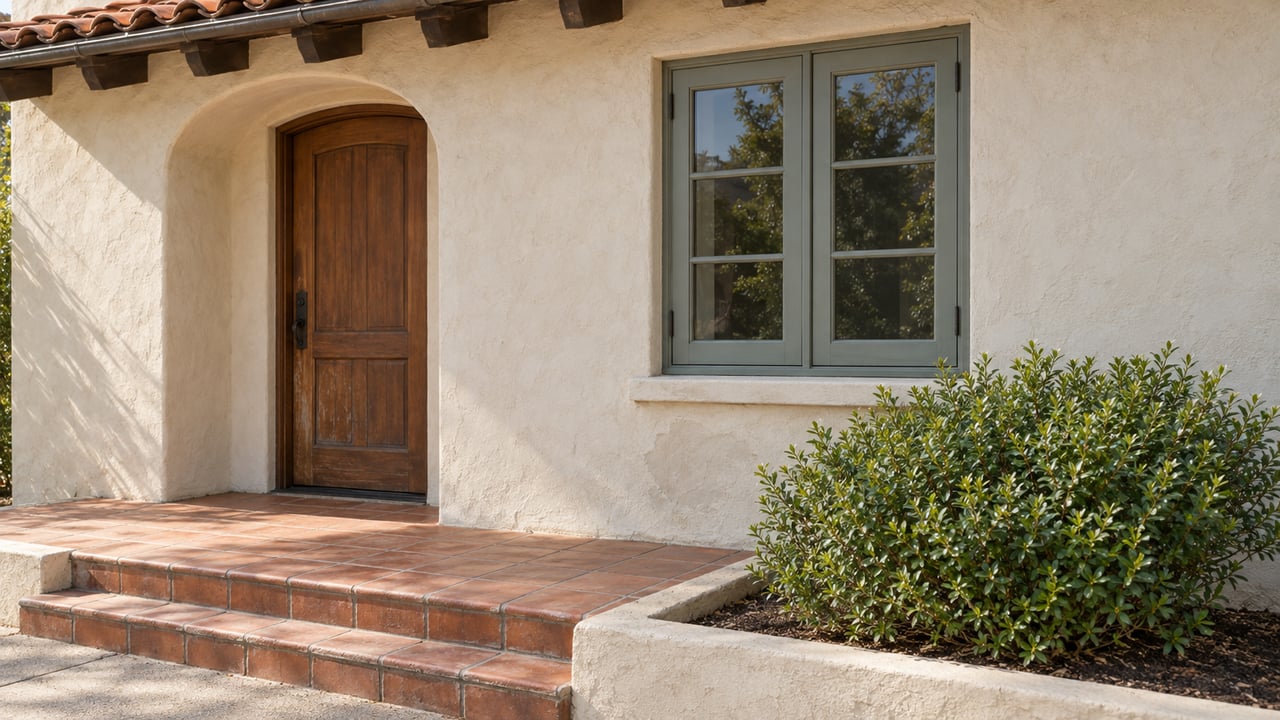
Architect Paul R. Williams built his own house in 1952 at 1690 South Victoria Avenue, inside a gated enclave that had barred him from buying there four years earlier. In 2026, after a six-year restoration led by the architecture firm Escher GuneWardena with interiors by Billy Cotton and Leyden Lewis and landscape by Scott Shrader, the house sold for $4.2 million. That is the highest price ever reported for a home in Lafayette Square.
In the same historic district, in the same year, two unrestored homes sold for $1.5 million and $1.935 million.
The gap between those numbers runs from roughly $1.4 million to $1.9 million. That is more than the restoration itself cost. One of the unrestored listings was even repriced down by $264,000 partway through its own sale, once buyers had a finished, restored comparable a few blocks away to measure it against. Same historic district, same zoning overlay, same architectural pedigree on paper. The difference in price had nothing to do with location and everything to do with condition.
This matters for anyone comparing West Adams listings against a single median price, because that median is trying to describe a market that does not behave like one market.
Restoration status is the price lever, not the block
The Lafayette Square sales make a point that's easy to miss when you're scanning listings by neighborhood name alone. Two homes inside the same Historic Preservation Overlay Zone, built in the same era, subject to the same preservation rules, can land nearly $2 million apart depending entirely on whether the work has already been done.
That is useful information whether you're buying or selling. A buyer weighing a fixer against a finished restoration in the same HPOZ isn't really choosing between two price points on a spectrum. They're choosing between a home where someone has already absorbed years of design review, materials sourcing, and construction risk, and a home where that work still lies ahead. A seller sitting on a partially restored historic property is not competing against the block's median. They're competing against whatever the most recent finished comparable just sold for, which is usually a much higher number than the renovation invoices would suggest.
The West Adams name covers a lot of different streets
Part of why a single price feels unreliable here is that "West Adams" was never one neighborhood to begin with. It's a corridor made up of distinct historic districts, most of them separately designated HPOZs with their own Preservation Plans, boundaries, and architectural character. The main ones include:
- Lafayette Square, a semi-gated 1912 enclave of about 250 homes built around a palm-lined median, home to some of the corridor's largest mansions
- West Adams Heights, also known as Sugar Hill, a storied enclave of turn-of-century mansions that became home to Black Hollywood and business elite in the 1940s
- Harvard Heights, one of the densest, most intact concentrations of Victorian, Craftsman, and Revival homes in the city on a flat, walkable grid
- Kinney Heights, Craftsman and Victorian homes on generous lots near Arlington and Adams
- Country Club Park, larger Period Revival homes on calm streets north of the boulevard
- Victoria Park, curving, landscaped streets lined with Craftsman and Revival homes
- Adams-Normandie and University Park, among the oldest HPOZ districts in the city, with Victorian and early Craftsman homes near USC
Each of these carries its own price range and its own buyer pool. A finished Period Revival estate in Country Club Park and a Craftsman bungalow in Harvard Heights might both get labeled "West Adams" on a listing site, but they are not competing in the same market by any meaningful definition. As of the three months ending August 2026, the median sale price across listings tagged West Adams ran close to $986,000. That figure is real, but it is also an average of markets that don't have much in common with each other beyond a shared boulevard name.
A zoning change most buyers haven't priced in yet
There's a second layer to this that just became current in 2026, and it makes the district distinction matter more than it used to.
California's SB 79, the Abundant and Affordable Homes Near Transit Act, was signed by Governor Newsom in October 2025 and took effect statewide on July 1, 2026. It lets qualifying multifamily housing get built by right near major transit stops, overriding a lot of local single-family zoning in the process. Los Angeles chose to delay full implementation citywide until roughly 2030, but the city also adopted a targeted Low-Rise Ordinance that the City Council approved on June 23, 2026, effective June 30. That ordinance allows 2-to-4 story multifamily buildings at more than 50 transit station areas across the city in zones that were previously single-family only.
HPOZs were carved out. The Los Angeles City Planning Department's SB 79 page confirms the local approach expands density incentives near transit stations while excluding HPOZs entirely, and the Los Angeles Conservancy, which pushed for that exclusion, describes it as a deliberate move to protect historic resources as the city adds housing capacity near rail and bus lines. A city staff report from February 2026 specifically flagged Adams-Normandie as one of the HPOZs with the highest number of parcels sitting inside these transit-oriented development zones, meaning it's one of the districts where the exemption does the most work.
What that means in practice: a home inside an HPOZ boundary in West Adams is now shielded from the kind of new multifamily construction that could reshape a block just outside that boundary. A parcel a few lots away, inside the same half-mile transit buffer but outside the historic district line, doesn't get that protection. Two homes that look similar on a map, both near the same Metro stop, both inside what a listing might casually call "West Adams," can now sit on opposite sides of a line that determines whether their surrounding block stays as it is or gets a four-story building next door.
That line was always there for renovation purposes. It's now also a line for density purposes, and it wasn't drawn with real estate pricing in mind, but it will end up affecting it.
What to check before treating any comp as representative
Given all of this, a district-level median is a starting point, not an answer. Before comparing a listing against a neighborhood average, it's worth checking three things specifically. First, whether the structure is designated "Contributing" or "Non-Contributing" within its HPOZ, since that determines how much exterior renovation will require board review versus staff-level approval. The city's historic district review page explains how to look this up through the ZIMAS mapping tool. Second, the actual restoration condition of the home relative to recent finished sales in the same specific district, not the broader corridor. Third, whether the parcel sits inside an HPOZ boundary or just outside it within a transit buffer, since that now affects what can legally be built nearby in the next several years.
None of these show up in a single median price. All three showed up in the difference between a $4.2 million restored house and a $1.935 million unrestored one on the same streets of Lafayette Square.
If you're comparing homes across West Adams' historic districts, or trying to figure out what a specific property's restoration status and HPOZ boundary actually mean for its value, Casty Living can walk through the comparables that matter for your address, not just the ones a search filter groups it with. Let's Chat!