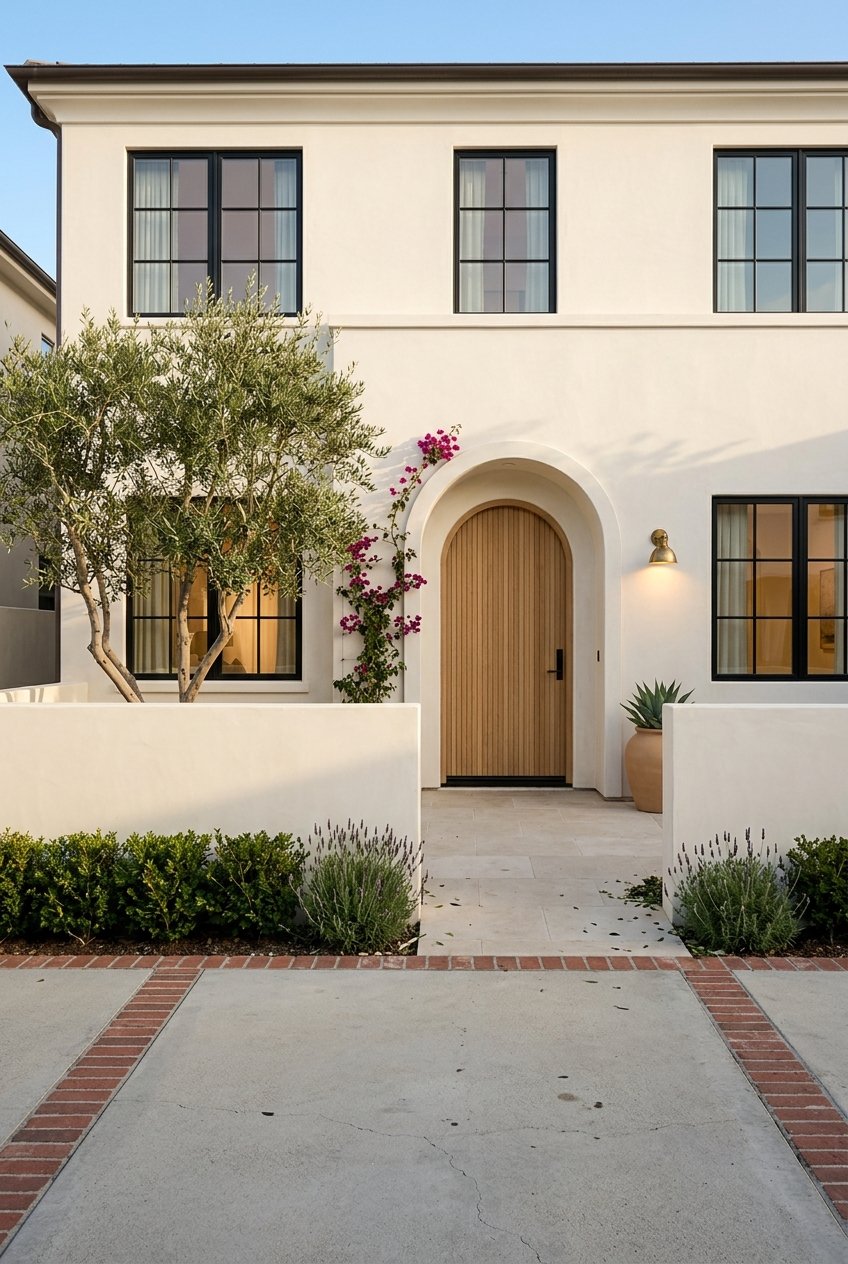
If you are trying to buy a Venice canal or walk-street home, you are not just competing for square footage. You are competing for a very specific setting, access pattern, and historic character that can be hard to replace anywhere else in Los Angeles. That is why a smart strategy matters more than a dramatic one, and this guide will help you understand where competition really shows up and how to prepare for it. Let’s dive in.
Why These Homes Compete Differently
Venice canal and walk-street homes sit in micro-markets that behave differently from the rest of Venice. The Venice Canal Historic District is an officially recognized historic district, and the city identifies the canal system as both a National Register property and Los Angeles Historic-Cultural Monument No. 270. That historic setting is part of what buyers are pursuing.
Walk streets also come with a different living pattern. The Venice Local Coastal Program treats walk streets as pedestrian-centered rights-of-way, with grade-level uses such as landscaping, patios, gardens, and decks in the public right-of-way, while alleyways must remain clear for emergency access and garage ingress and egress. In simple terms, the way you move through the block, use outdoor space, and access a home can feel very different from a standard street.
The same is true in the Milwood Venice Walk Streets Historic District. The city describes it as a 471-property residential district with walk and drive streets, modest lots, and mostly early-20th-century single-family homes, with a layout and circulation pattern that is unique in Los Angeles. When buyers target these areas, they are often choosing the block experience as much as the house itself.
Venice Market Context Matters
At the neighborhood level, Venice is not showing one simple story. Realtor.com reported 280 homes for sale in Venice in April 2026, with a median listing price of $2.295 million, a median sold price of $1.7325 million, median days on market of 50, and a 98% sale-to-list ratio. The same source labeled Venice a buyer’s market in March 2026.
That broader data can be helpful, but it does not tell you enough about canals and walk streets. These homes sit inside much tighter pockets with far fewer available listings. Realtor.com showed only 14 active listings in Venice Canals and 15 in Milwood, compared with 280 across Venice overall.
Pricing also reflects that difference. The same data showed median listing prices of $2.5 million in Venice Canals and $4.295 million in Milwood. That tells you quickly that these are not interchangeable with the broader Venice housing pool.
Time on market differs too. Venice Canals showed a 72-day median days on market, while Milwood showed 40 days. For buyers, that is a reminder that each pocket has its own pace, and competition can intensify when a home has the right block, layout, and condition.
What Competition Really Looks Like
The biggest mistake buyers make is assuming competition always means writing the highest number possible. In Venice overall, the 98% sale-to-list ratio suggests homes sold slightly below asking on average. That points to a more nuanced reality where execution can matter just as much as price.
For rare canal and walk-street homes, urgency often comes from limited supply and strong buyer preference. A well-positioned property can still attract fast attention because buyers may have been waiting for that specific block or access style. In these cases, a complete and credible offer often stands out more than an aggressive but poorly structured one.
That is where local strategy matters. In a niche market, sellers and listing agents are often looking for certainty, clean documentation, and buyers who understand the property type they are pursuing. A buyer who is organized and realistic can be more competitive than one who simply leads with emotion.
Get Financially Ready Before You Tour Seriously
Before you compete, you need to know your lane. The Consumer Financial Protection Bureau says a preapproval letter shows a lender is tentatively willing to lend up to a certain amount, and sellers frequently require it. It also notes that these letters typically expire in 30 to 60 days.
That timing matters in Venice because the right home may take time to appear. If you wait until you find the perfect canal or walk-street listing, you may already be behind. Keeping financing current can help you move quickly without rushing your decisions.
The CFPB also recommends getting at least three preapprovals so you can compare lender pricing and loan structures. Importantly, preapproval does not mean you have locked in your final lender, so you can still compare official Loan Estimates after you have an accepted offer.
Build a Clean Offer, Not a Careless One
In competitive situations, buyers often hear the phrase “clean offer” and assume it means stripping out protections. That is not the best reading of the market. A cleaner offer is usually one that is complete, well-documented, and easy for the seller to evaluate.
The California Department of Real Estate advises buyers to decide what they wish to pay by reviewing neighborhood comparables. It also recommends including any contingencies or special conditions you want in the contract, such as loan qualification, repairs, pest control inspections, home inspections, and home warranty programs.
That guidance is especially important in a niche Venice purchase. Once your offer is accepted, it becomes a binding contract, and failing to complete the purchase can affect the return of your deposit. Strong buyers do not skip over risk. They manage it carefully.
The DRE also advises buyers to review the contract closely, avoid blank spaces, and avoid giving cash as a deposit because checks, money orders, or cashier’s checks create a record of funds. In a fast-moving negotiation, those details help show professionalism and reduce avoidable friction.
Focus on Venice-Specific Due Diligence
Canal and walk-street homes can require a more layered review than a standard purchase. The Venice Local Coastal Program states that sea-level rise can threaten canal and oceanfront communities, and the city also notes that FEMA flood maps do not incorporate anticipated sea-level rise. That means buyers should not treat flood review as a box-checking exercise.
If you are considering a canal-adjacent property, verify flood zone status and understand possible insurance implications before shortening contingencies. This becomes even more important if you are comparing two homes that seem similar on paper but differ in location or exposure. Small map and siting differences can matter.
Remodel plans also deserve early review. The city’s Venice Coastal Zone materials show that Venice operates under a specific plan with its own regulations, maps, and walk-street materials, so buyers who hope to renovate, expand, or rework outdoor areas should verify the applicable zoning and permit path early.
The city also notes that the California Coastal Commission retains permit jurisdiction in some waterfront-adjacent situations and hears appeals from certain local coastal permit decisions. For you as a buyer, the practical takeaway is simple: if future changes are part of your plan, confirm the approval landscape before you give up flexibility in the contract.
Adjust Expectations for Lot and Layout
Part of competing well is knowing what you are actually buying. In the Milwood district, the city notes that many parcels are under one-tenth of an acre. That is useful context if you are moving from a different part of Los Angeles and expecting more conventional lot dimensions.
On smaller lots, layout quality and interior condition can matter more because there is less room to “fix it later” through expansion. Outdoor space may also function differently than you expect, especially on pedestrian-oriented blocks and properties with alley access. A home that is average elsewhere may be exceptional here because of its siting and how it lives day to day.
This is one reason design-minded buyers often move quickly in these pockets. If a home combines the right block, a strong floor plan, and thoughtful updates, the opportunity can feel hard to duplicate. That is often where competition sharpens.
A Better Strategy for Winning
If you want to compete well for Venice canal and walk-street homes, focus on preparation, clarity, and property-specific judgment. These homes do not reward generic tactics. They reward buyers who understand the micro-market and can act decisively without skipping essential review.
A strong approach usually includes:
- Updated preapproval documentation
- Clear price boundaries based on local comparables
- Thoughtful contingency planning
- Early review of flood, insurance, and permit issues
- Fast, organized communication once the right listing appears
In other words, your goal is not to be reckless. Your goal is to be ready. In a niche market like this, confidence comes from doing the work before the moment arrives.
If you are thinking about buying in Venice, especially in the canals or walk streets, working with an advisor who understands block-by-block differences can help you move faster and make cleaner decisions. For personalized guidance in Venice and other high-value LA micro-markets, connect with Casty Living.
FAQs
How competitive are Venice canal homes compared with Venice overall?
- Venice overall showed 280 homes for sale in April 2026, while Venice Canals had 14 active listings, which suggests a much tighter supply in the canal pocket.
How competitive are Venice walk-street homes in Milwood?
- Milwood had 15 active listings and a median listing price of $4.295 million, which supports the idea that it operates as a distinct and limited micro-market.
Do buyers need preapproval for Venice canal and walk-street homes?
- Yes. The CFPB says sellers frequently require a preapproval letter, and it typically expires in 30 to 60 days.
Should buyers waive contingencies on Venice historic or canal-adjacent homes?
- California DRE guidance supports including the contingencies and special conditions you want in the contract, so buyers should think carefully before reducing protections.
What due diligence matters for Venice canal properties?
- Buyers should verify flood zone status, insurance implications, and possible permit constraints early, especially because the city notes sea-level rise concerns and special coastal planning rules in Venice.
Why are Venice walk streets different from regular streets?
- The city treats walk streets as pedestrian-centered rights-of-way, and the rules for grade-level use, alley access, and circulation create a different living pattern from a standard street.