If you have ever walked a West Adams block and felt like every house tells a different story, you are seeing the neighborhood exactly right. This part of Los Angeles stands out because its historic homes are not defined by one look, but by layers of design, craftsmanship, and street-by-street character. If you are buying, selling, or simply trying to understand what gives these homes their appeal, this guide will help you spot the details that matter most. Let’s dive in.
West Adams design starts with history
West Adams is one of Los Angeles’ oldest neighborhoods, with a core that took shape during the city’s 1887 to 1915 land boom, according to the West Adams Heritage Association. That history helps explain why the area includes such a broad range of architectural styles rather than a single uniform look.
You can think of West Adams as a streetcar-era residential landscape. The City of Los Angeles notes that early development was shaped by commuting patterns and by households who wanted more space while remaining close to downtown. Today, that legacy still shows up in porch-fronted homes, human-scale blocks, and a streetscape that feels layered instead of repetitive.
That layered quality is one reason West Adams continues to attract design-minded buyers. Historic architecture remains the visual anchor, but contemporary creative energy also adds to the neighborhood’s identity. The result is a place that feels current without losing the texture of its past.
Craftsman details define many blocks
In West Adams, some of the most recognizable homes come from the Craftsman and Arts and Crafts tradition. Nearby Jefferson Park is described by the City as one of Los Angeles’ finest early streetcar suburbs and a strong example of the Arts and Crafts movement, with details such as fanciful eaves, intricate woodwork, stone, masonry, and shingle.
For you as a buyer or seller, that means the most memorable details are often the simplest ones. A true Craftsman impression usually starts with a low-pitched roof, wide overhanging eaves, and exposed rafters. Add a generous front porch with thick square posts, and the house immediately feels grounded, warm, and handmade.
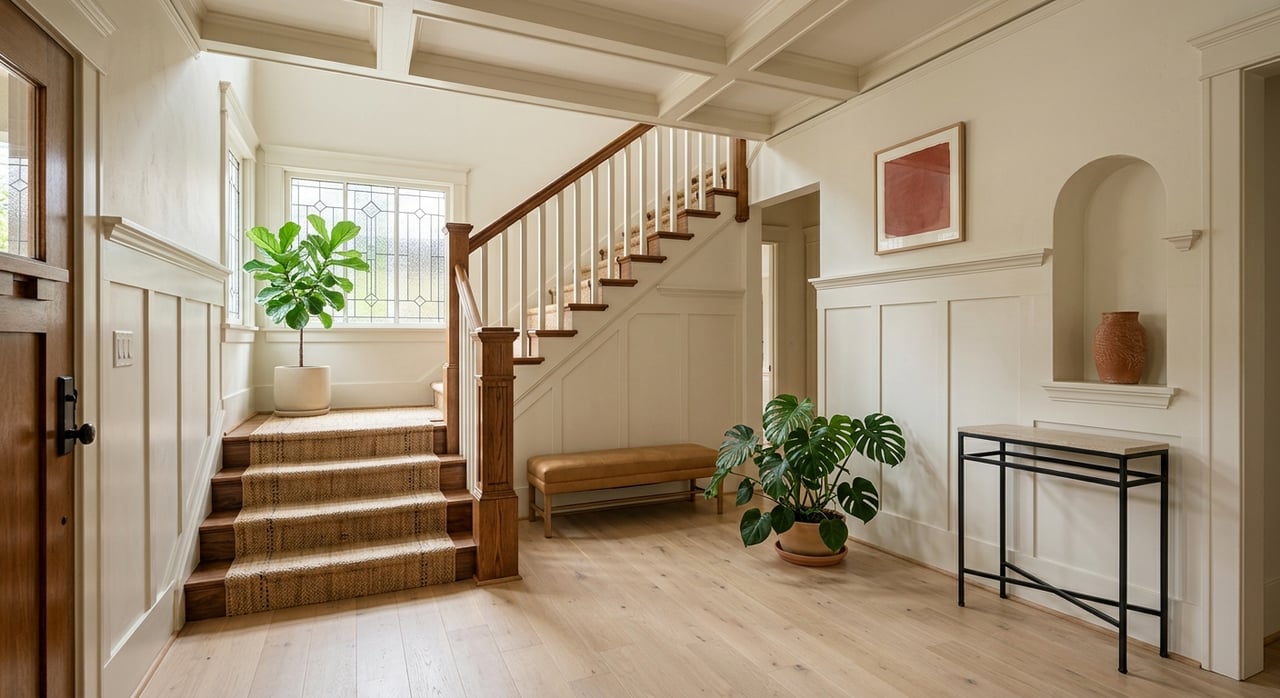
Inside, the same design language often continues. Craftsman interiors are known for wood trim, built-in cabinetry, simple but substantial millwork, and room layouts centered around a fireplace. These are the details that give a historic West Adams home its tactile, lived-in appeal.
What to notice on a Craftsman exterior
When you tour a West Adams home, look for a few signature features:
- Low-pitched gabled or hipped roofs
- Wide eaves with exposed rafters
- Front porches that feel like outdoor rooms
- Thick porch supports, often square in form
- Wood, masonry, and shingle materials layered together
These details do more than create curb appeal. They shape how the house feels from the street and how you use it day to day.
Why Craftsman interiors feel timeless
Craftsman homes tend to create comfort through proportion and materials rather than excess ornament. Built-ins make rooms practical, wood trim adds visual warmth, and fireplace-centered layouts create a natural focal point.
That matters in West Adams because buyers often respond to authenticity. When original or well-matched character details remain intact, the home reads as cohesive rather than altered in pieces over time.
Victorian and Queen Anne homes reward close attention
West Adams also includes earlier architectural layers, especially Victorian, Queen Anne, and Shingle-era homes. The West Adams Heritage Association highlights the neighborhood’s Victorian and Queen Anne roots, while the Adams-Normandie historic overlay notes the transition from late Victorian styles to the Arts and Crafts aesthetic.
These homes tend to be more expressive than Craftsman houses. Instead of low horizontal lines, you often see asymmetry, more complex roof forms, varied surface textures, and ornament concentrated around porches, gables, and upper stories.
If you are drawn to homes with personality, this is where West Adams becomes especially compelling. A Queen Anne or Shingle-influenced house often reveals its charm slowly, through layered rooflines, textured siding, and decorative details that change as you move around the exterior.
Key Victorian-era details to look for
On these homes, pay attention to:
- Asymmetrical facades
- Complex rooflines and gables
- Decorative porch elements
- Shingle texture on upper stories or gables
- Ornament that frames windows, porches, or roof edges
These details give many West Adams streets a sense of rhythm and visual variety. No two homes need to match exactly for the block to feel cohesive.
Revival styles bring formality and texture
West Adams is also known for Period Revival homes, including Mission Revival, Colonial Revival, Mediterranean Revival, Spanish Colonial Revival, and Tudor Revival examples noted in City planning materials. These houses often create a different mood from Craftsman or Victorian homes.
Where Craftsman design feels grounded and handmade, Revival architecture can feel more formal or sculptural. You may notice greater symmetry, more defined facades, and stronger use of shadow, stucco, arches, or tile.
For design-savvy buyers, these homes often stand out because of their material contrast. Smooth plaster walls, red tile roofs, carved wood details, wrought iron, and curved openings can create a strong sense of composition from the curb.
Colonial Revival details
Colonial Revival homes tend to lean toward order and balance. Common features include:
- Symmetrical facades
- Hipped roofs
- Pronounced porches
- Thin columns or pilasters
- Decorative fan or Palladian windows
These details often give the home a composed, formal presence without feeling overly ornate.
Mission and Spanish Colonial details
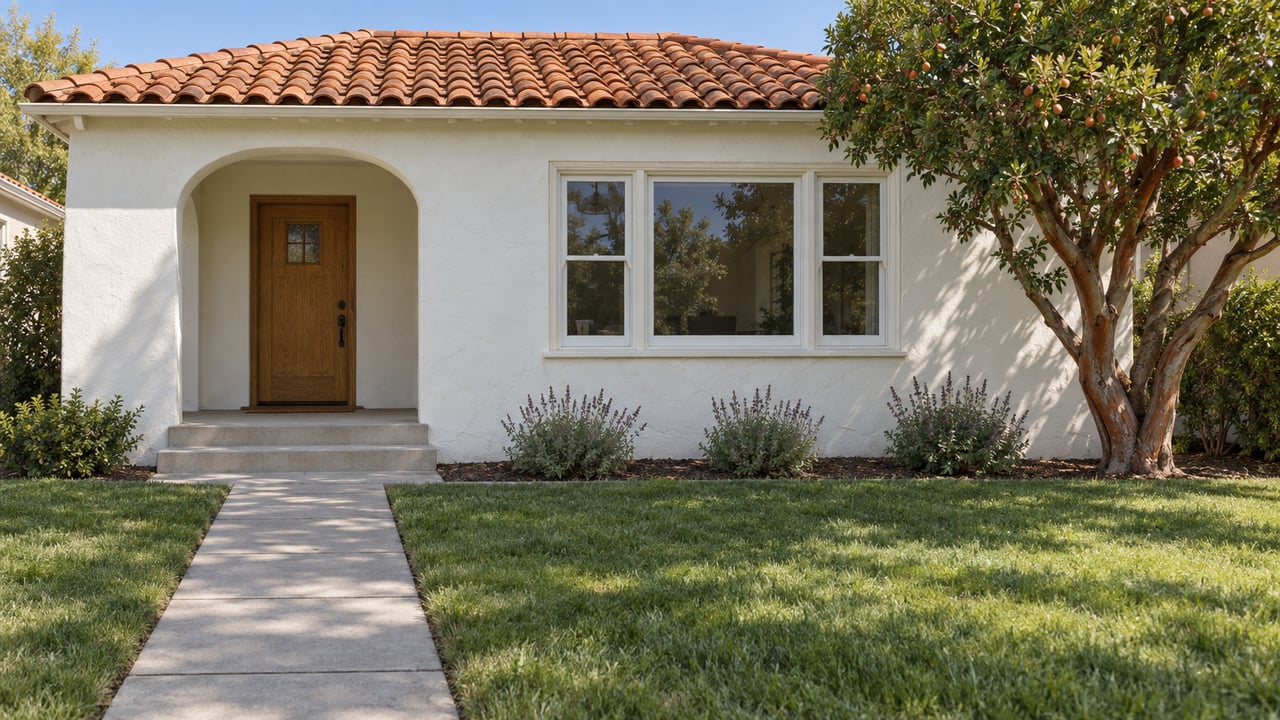
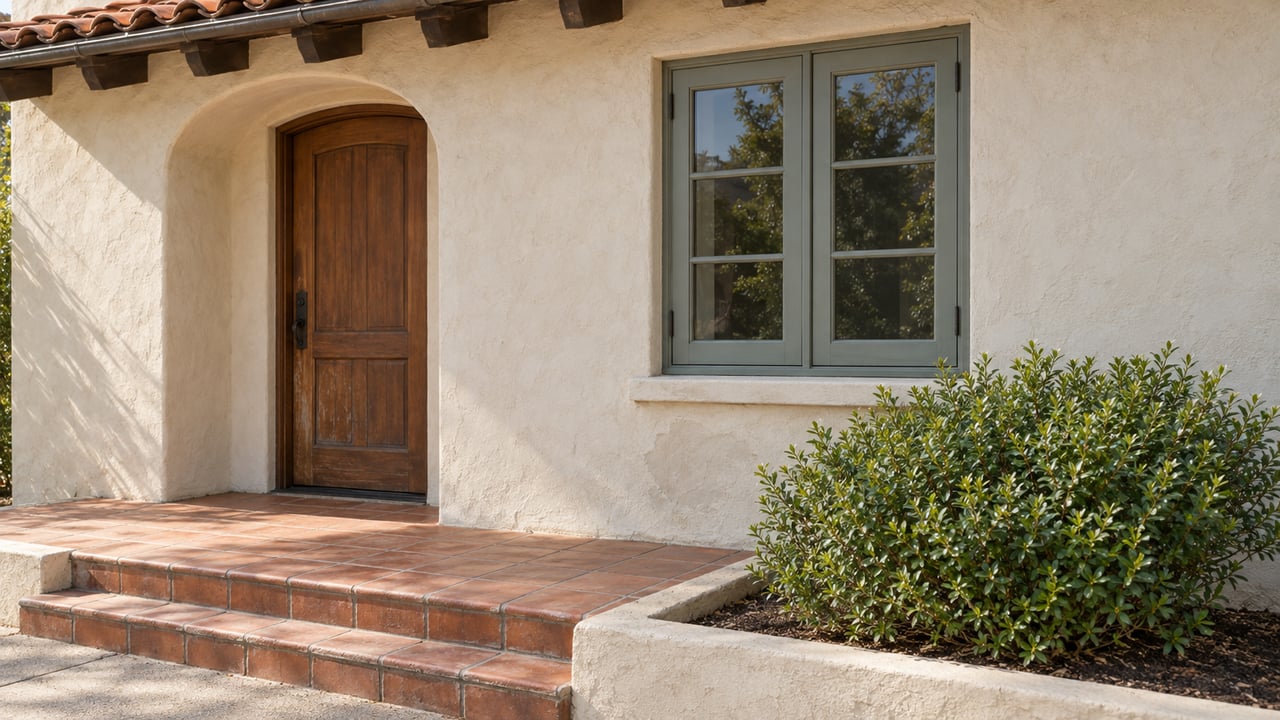
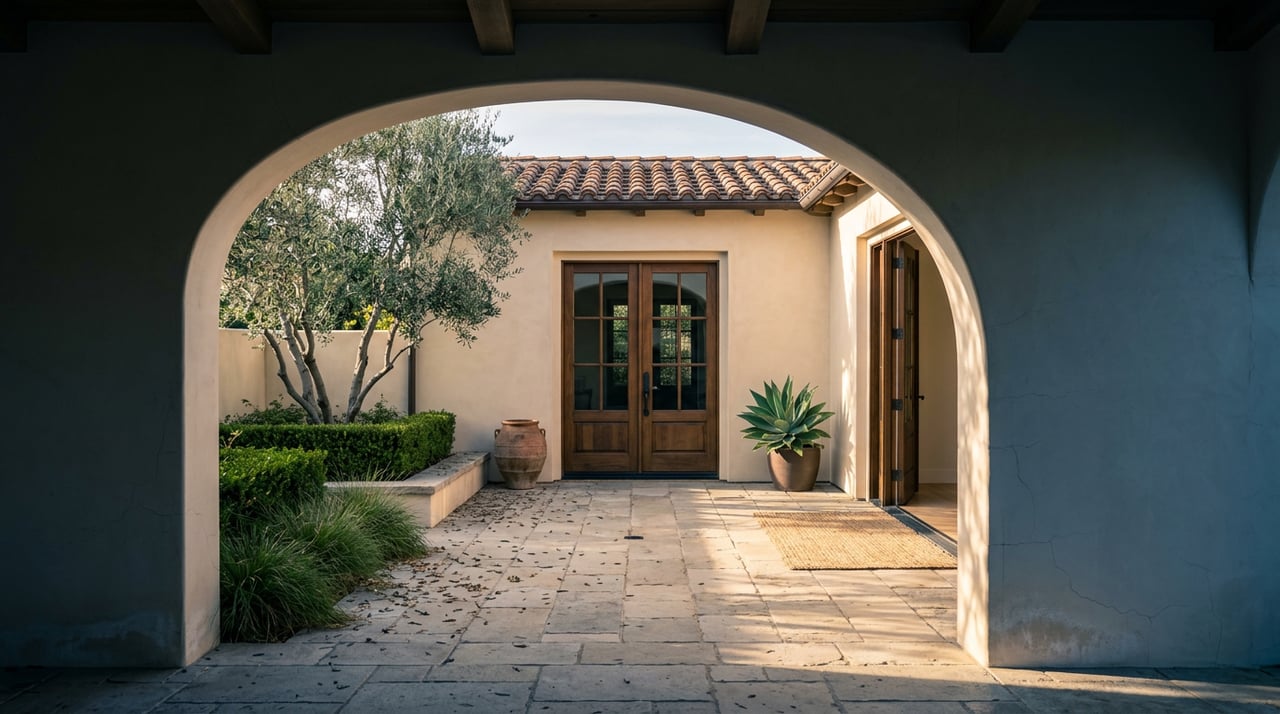
Mission Revival and Spanish Colonial Revival homes usually feel more Mediterranean in silhouette. Look for:
- Stucco walls
- Red or clay tile roofs
- Arches at entries or windows
- Wrought iron accents
- Deeply shaded facades with strong texture and shadow
In West Adams, these details often create some of the neighborhood’s most photogenic street views. They also connect well with the broader Southern California architectural language many buyers already love.
Why porches, eaves, and materials matter
The best historic details are not just pretty. They shape daily life. In West Adams, porches often work like outdoor living rooms, broad windows bring in light, and deep eaves soften the edge between house and street.
Material choices matter just as much. Wood, masonry, tile, and iron create a tactile quality that many newer homes cannot easily replicate. Those surfaces catch light differently, age with character, and help a home feel rooted in place.
For sellers, this is an important point. Buyers often respond emotionally to original materials and well-preserved character features because they support both lifestyle and visual identity. In a neighborhood like West Adams, those details are part of the story buyers are investing in.
Preservation shapes what survives
West Adams’ character has lasted in part because Los Angeles regulates exterior changes in local historic districts, known as HPOZs. City Planning states that exterior work, including alterations, additions, landscaping, new construction, and even paint, may be subject to review so that changes complement historic character.
Within the wider West Adams area, City references identify Jefferson Park, West Adams Terrace, Lafayette Square, and Adams-Normandie among the historic district and overlay areas that help guide preservation. For owners, that means original windows, porches, trim, and facade details are often central to planning any exterior updates.
This can be a meaningful factor whether you are buying or preparing to sell. Preservation review helps maintain the visual consistency that gives these streets their appeal, even as individual properties evolve over time.
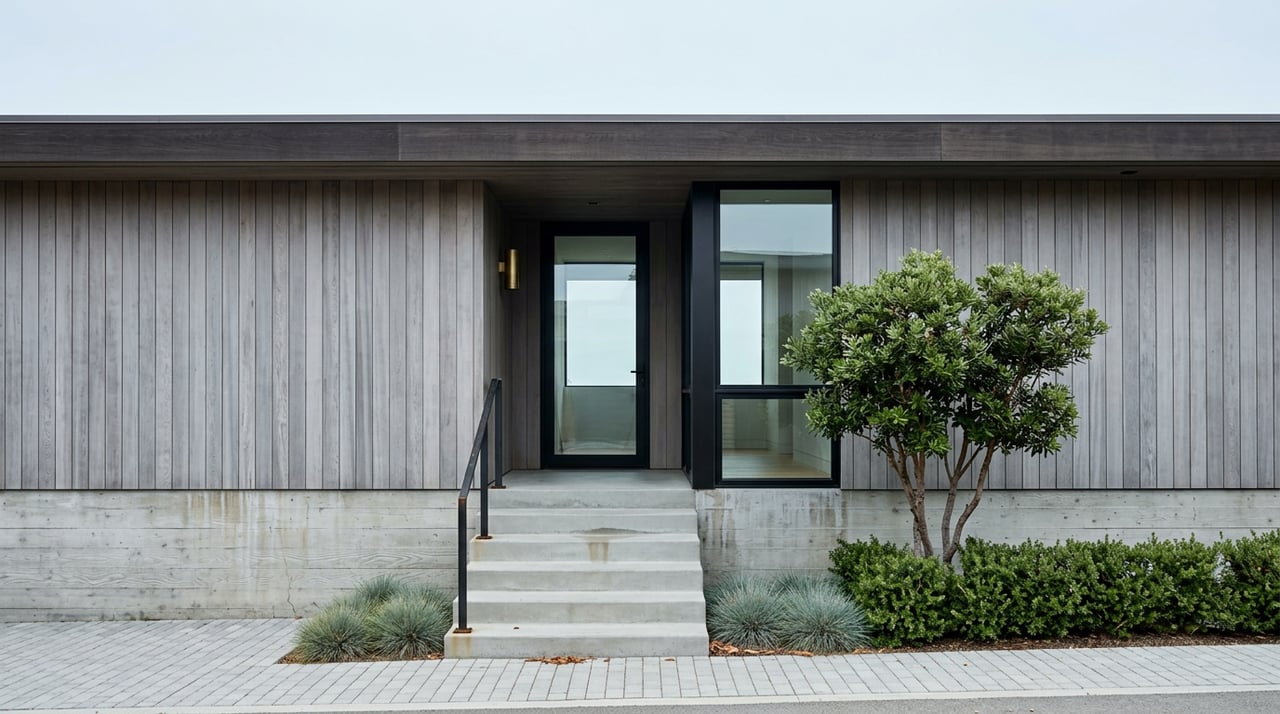
Adaptive reuse adds a modern layer
Historic preservation in West Adams is not just about freezing buildings in place. Adaptive reuse is part of the neighborhood story too. The City encourages early consultation for projects involving surveyed historic resources, and West Adams includes examples of historic structures converted to new housing uses.
One example is Nolte Lofts, where a 1920s garage building in the West Adams HPOZ was converted into five artist lofts, with additional infill units nearby. That kind of project shows how old structures can be reworked thoughtfully while still contributing to the area’s historic identity.
For buyers and small investors, this matters because it shows how design value and practical reuse can coexist. In West Adams, the past often stays visible even when the use changes.
Preservation incentives matter too
For some owners, the financial side of preservation is part of the decision-making process. Los Angeles City Planning describes the Mills Act Historical Property Contract Program as the City’s most significant preservation incentive and notes that it may offer a potential property-tax reduction for eligible historic-cultural monuments and contributing structures within HPOZs.
That does not apply to every home, but it does help explain why restoration and long-term upkeep remain important conversations in historic areas. Original character features are not just aesthetic choices. In some cases, they may also connect to the economics of ownership and rehabilitation.
Why these details matter in the market
Historic details do not guarantee a premium on any single property, but they do play an important role in how a home is perceived. Los Angeles’ HPOZ ordinance states that preservation is intended to enhance property values and stabilize neighborhoods. The broader takeaway is straightforward: intact character and compatible updates tend to matter in places where design identity is part of the appeal.
For sellers, this is where thoughtful preparation can make a real difference. Highlighting original millwork, preserving facade integrity, and presenting the home with a clear design narrative can help buyers understand what makes the property special.
For buyers, the value is not only financial. It is also about daily experience. West Adams offers a version of Los Angeles where elite early residential ambition, Arts and Crafts craftsmanship, Revival style, and modern adaptive reuse all appear on the same streets. That mix is what gives the neighborhood its lasting charm.
If you are considering buying or selling a historic home in West Adams, a design-led strategy can help you see beyond square footage and into what truly defines the property. For tailored guidance on positioning, preparation, and marketing in Los Angeles’ character-rich neighborhoods, connect with Casty Living.
FAQs
What architectural styles define historic homes in West Adams?
- West Adams is known for a wide mix of styles, including Victorian, Queen Anne, Shingle, Mission Revival, Transitional Arts and Crafts, Beaux Arts, Revival styles, and Craftsman homes.
What Craftsman features should you look for in a West Adams home?
- Look for low-pitched roofs, wide overhanging eaves, exposed rafters, front porches with thick square posts, wood trim, built-ins, and fireplace-centered interiors.
What makes Victorian and Queen Anne homes in West Adams distinct?
- These homes often stand out for asymmetrical facades, complex rooflines, shingle texture, and decorative details around porches, gables, and upper stories.
What design elements are common in West Adams Revival homes?
- Colonial Revival homes often feature symmetry, hipped roofs, columns, and decorative windows, while Mission and Spanish Colonial homes often include stucco, tile roofs, arches, and wrought iron.
What is an HPOZ in West Adams Los Angeles?
- An HPOZ is a local historic district where exterior changes may be reviewed by the City so updates complement the historic character of the area.
Why do original details matter in West Adams historic homes?
- Original porches, windows, trim, masonry, and other character features shape daily living, support the home’s visual identity, and help preserve the neighborhood’s design continuity.