Craving a glass-walled living room floating over the city, or a hidden canyon retreat wrapped in trees? Buying in the Hollywood Hills is unlike any other Los Angeles home search. The views, privacy, and architecture can be extraordinary, but hillside properties come with unique rules, logistics, and technical due diligence. In this guide, you will learn how to prepare, what to look for, and how to structure an offer that protects you without losing the home you love. Let’s dive in.
Start with your priorities
Before you tour, get clear on what matters most. Hollywood Hills neighborhoods vary widely, from mid-century ridgelines to cozy canyon cottages.
- Views: city lights, canyon greenery, or ocean horizon. Decide your must-haves and nice-to-haves.
- Privacy: ridge-top seclusion or landscaped screening can deliver different experiences.
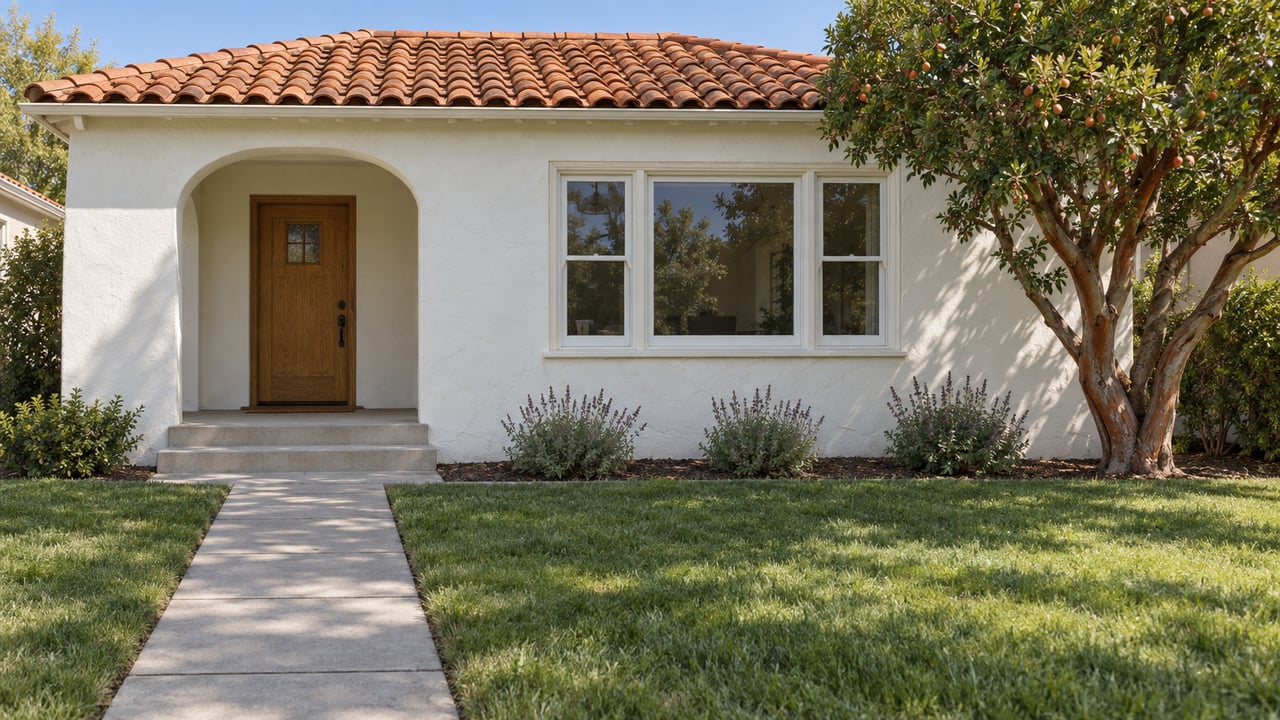
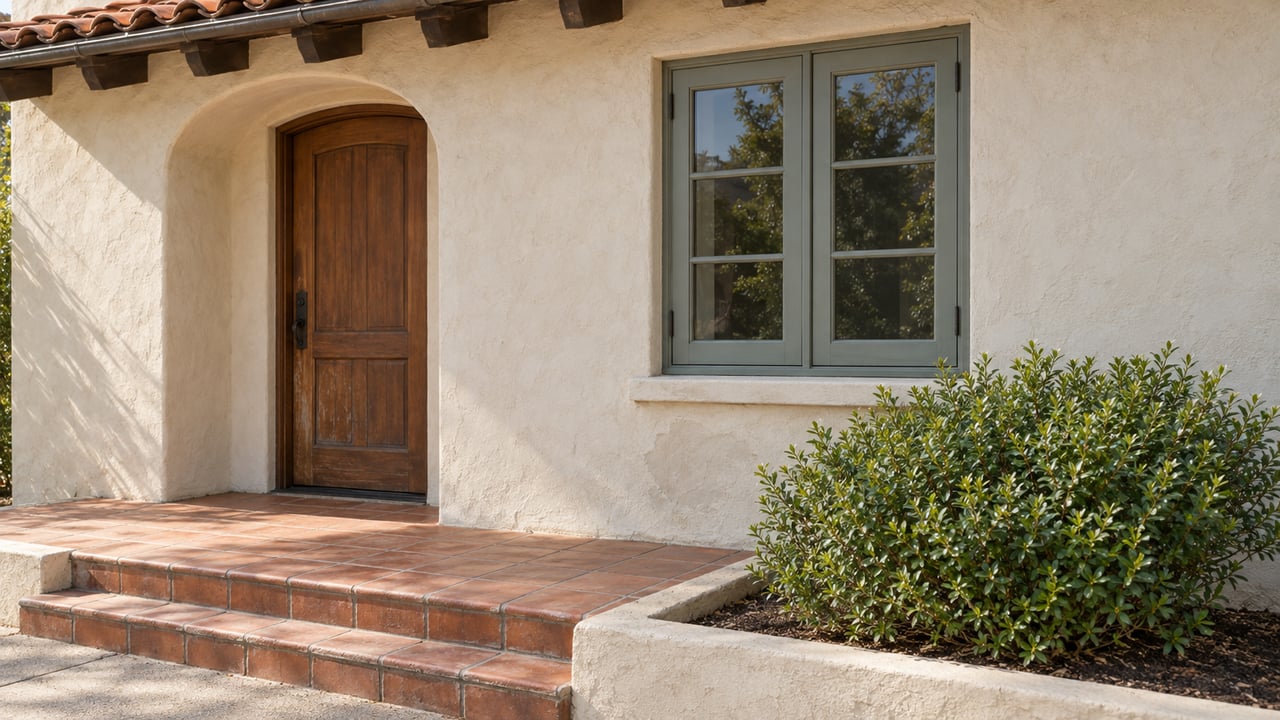
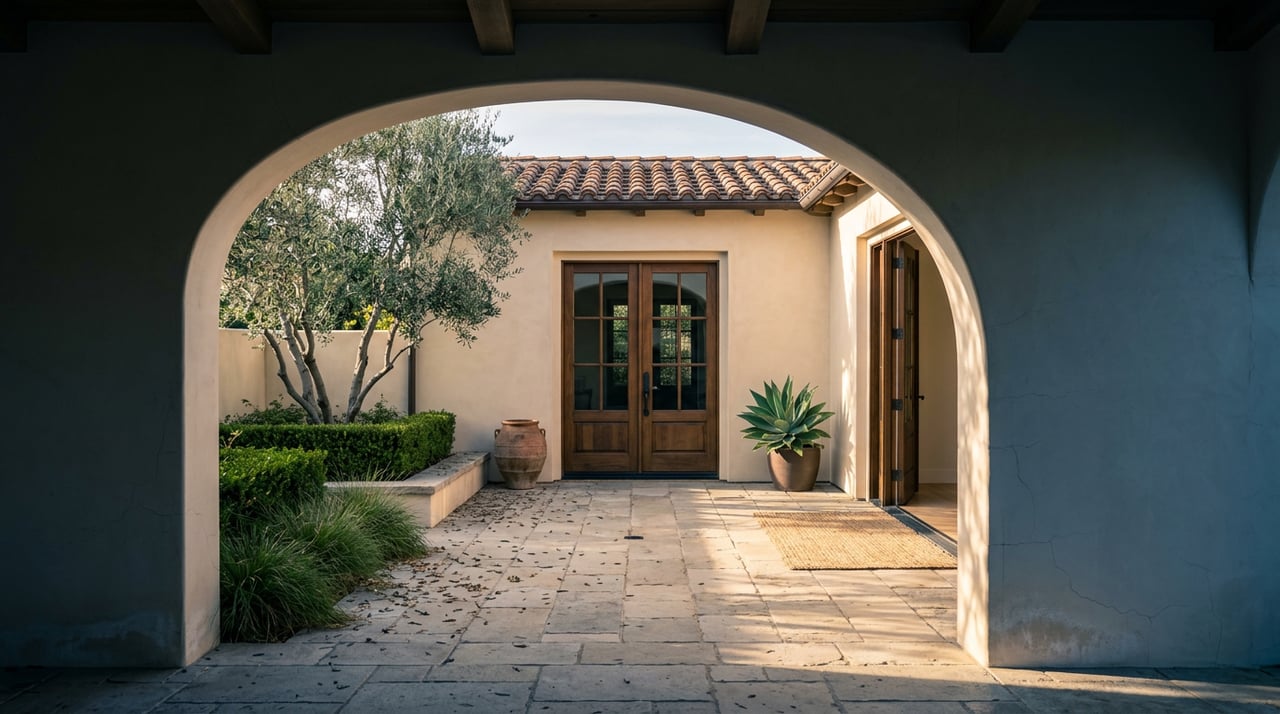
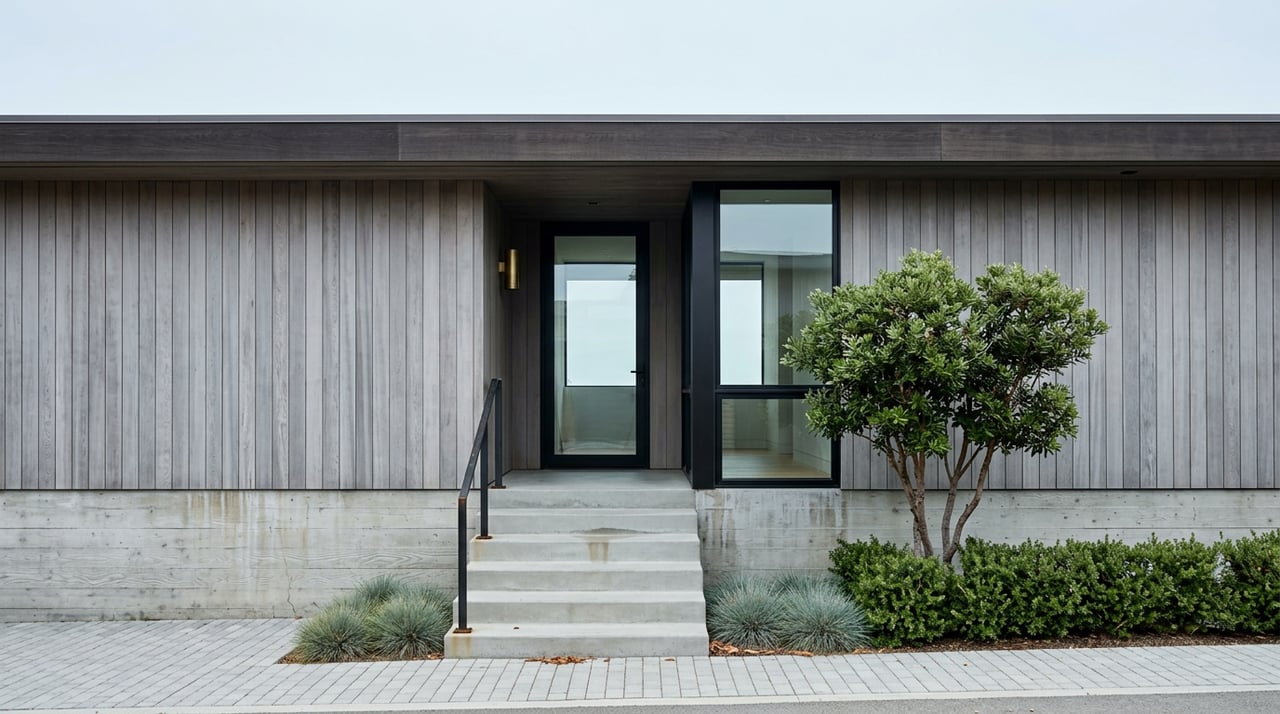
- Architecture: original mid-century, Spanish, or a newer contemporary. Plan to verify authenticity and permits for prior remodels.
- Access: narrow streets, steep driveways, or gated private roads. Consider daily convenience and guest parking.
Your priorities will guide tradeoffs. In the Hills, a spectacular view may mean a steeper site or more steps. A private canyon setting may limit future expansion.
Know the local landscape
“Hollywood Hills” spans several sub-areas north of Hollywood Boulevard and below the Santa Monica Mountains, including Hollywood Hills East and West, Laurel Canyon, Outpost Estates, Beachwood Canyon, and the Bird Streets. Each pocket has its own rhythm and typical housing stock.
As you research, plan to consult these City resources early in your search:
- Los Angeles Department of Building and Safety (LADBS) for permit history and inspections.
- Los Angeles City Planning for zoning and Hillside Ordinance rules.
- ZIMAS, the City’s zoning and map system, for parcel zoning and overlays, including any Historic Preservation Overlay Zone.
- Los Angeles Fire Department (LAFD) for brush clearance and emergency access standards.
- Cal Fire and Los Angeles County hazard maps for Very High Fire Hazard Severity Zone designations.
These sources help you understand what is possible on a site, what may require extra approvals, and which safety rules apply.
Plan smarter showings
Hillside tours often run differently than flatland showings. A little prep goes a long way.
- Access and parking: streets can be narrow and winding, with limited parking. Book appointments, plan arrival windows, and carpool when possible.
- Safety and mobility: expect stairs, multi-level layouts, and steep terraces. Wear stable shoes and request access details in advance if mobility is a concern.
- Views and orientation: views change with daylight, season, and air quality. If views are a priority, try to visit at different times of day.
- Privacy and noise: proximity to trails, scenic overlooks, or helicopter flight paths can shape your experience. Ask about typical patterns.
- Pre‑tour materials: request parcel maps, approach photos, recent aerials, and permit history. If architecture is key, ask for original plans or records of renovations.
Essential due diligence
Hillside homes require specialized inspections in addition to a standard home inspection. Build time into your contingency periods for the following.
Geotechnical and soils
A geotechnical engineer evaluates slope stability, soil type, and any landslide history. They will make recommendations for foundations, retaining, drainage, and grading limits. If a seller provides a recent report, verify its scope and whether your lender or insurer will accept it. Otherwise, plan to commission your own and include a contingency.
Structural and retaining walls
A structural engineer should review foundation systems such as caissons, piles, and grade beams. Long or tall retaining walls deserve special attention. Confirm walls were engineered and permitted, and assess any visible settlement, cracks, or tilting.
Drainage and moisture
Properly designed drainage protects the slope and the structure. Look for gutters and downspouts that terminate into controlled systems, functional swales, and maintained slope protection. Poor drainage can lead to erosion or movement.
Roof, exterior, and access
Steep terrain can make maintenance and repairs more complex and costly. Evaluate roof condition, safe access for crews, and how equipment would reach the site.
Wildfire and defensible space
Portions of the Hollywood Hills fall within Very High Fire Hazard Severity Zones. Review vegetation clearance requirements, ember-resistant features such as vents and Class A roofing, and compliance with local codes. Insurers may require specific mitigation.
Trees and views
An arborist can assess tree health and root conflicts. The City of Los Angeles protects certain tree species, and permits are required for removal. Tree rules can affect both safety and view shaping.
Sewer and utilities
Verify the condition of the sewer lateral and the connection to municipal systems. Some older homes may warrant a line inspection. Confirm utility easements and the location of poles or mains that could affect future plans.
Title, easements, and roads
Private roads and shared drives are common. Review title for road maintenance agreements, utility and access easements, potential view easements, and any special assessments. Understand who is responsible for maintenance and emergency clearance.
Permits and unpermitted work
Many hillside homes have additions, decks, pools, or terraces built over time. Unpermitted work can complicate financing, insurance, and resale. Pull LADBS permit history and request seller representations about known unpermitted elements. Consider a contingency to obtain cost and timing estimates for any remediation or re-permitting.
Hazards and how to mitigate
- Landslide history: consult historical slide maps and ask for any engineer-of-record documents for past repairs.
- Seismic considerations: plan for structural evaluations that address local seismic risk and hillside foundation behavior.
- Fire exposure: factor in brush clearance schedules, roofing and venting upgrades, and ongoing vegetation management. Expect this to influence insurance availability and pricing.
Offer strategy and contingencies
The most compelling view homes can draw multiple offers. You can still stay competitive while protecting yourself.
Recommended contingencies:
- Home inspection contingency.
- Geotechnical, structural, and retaining wall contingency with adequate time.
- Permit, title, and easement review contingency, including private road obligations.
- Financing contingency that accounts for hillside-specific lender conditions.
If inspections uncover issues that can be handled after closing, consider repair escrows or seller credits rather than trying to complete complex work during escrow. Avoid waiving technical inspections on hillside properties unless you fully understand scope and cost.
Financing, appraisal, and insurance
Lenders may require extra documentation for properties on steep terrain or with significant retaining walls. Appraisers will weigh view quality, privacy, and proximity to hazards, and highly customized or architecturally unique homes can be harder to appraise. Plan for the possibility of a larger down payment if comps are limited.
For insurance, obtain quotes early in your contingency period. Ask about wildfire mitigation requirements, any slope or earth movement exclusions, and umbrella liability for properties with steep drop-offs or complex outdoor amenities.
Design and renovation planning
If you plan to renovate, hillside work carries a premium. Foundations, shoring, staging space, grading, and erosion control add cost and time. Choose architects, engineers, and contractors with proven hillside portfolios and familiarity with LADBS and Fire Department standards.
Key design evaluations:
- View corridor permanence: views are generally not legally protected unless a recorded view easement exists. Consider topography, potential nearby development, and tree ownership.
- Light and orientation: sunpaths and marine layer patterns shape natural light and view clarity. Visit at sunrise and sunset if possible.
- Privacy and sightlines: assess neighbor distances and what can be screened with vegetation or architectural features, keeping protected tree rules in mind.
Moving, access, and logistics
Plan for moving trucks, equipment staging, and deliveries on narrow streets or steep drives. Specialized rigs or multiple trips may be required. Factor access complexity into your budget and timeline.
A practical timeline
Every purchase is different, but these general timeframes can help you structure contingencies and expectations:
- Standard home inspection: 3 to 10 days after the appointment.
- Geotechnical report: 1 to 3 weeks, longer if exploratory borings are needed.
- Structural and retaining wall assessments: 1 to 2 weeks.
- Permit history and title review: within standard contingency periods, but allow extra time if issues appear.
- Remediation or re-permitting: can take months, so set realistic expectations if work is needed.
Due diligence checklist
Use this list to organize your escrow period:
- Parcel map, zoning, and any overlays via ZIMAS.
- LADBS permit history and, if available, certificate of occupancy.
- Title report, easements, and private road maintenance agreements.
- Geotechnical and soils report, or budget and time to obtain one.
- Structural and retaining wall inspections.
- LAFD brush clearance requirements and any proof of compliance.
- Arborist report if trees affect views or pose hazards.
- Sewer lateral condition and utility connection verification.
- Preliminary insurance quotes and any underwriting conditions.
- Appraisal strategy for unique or architecturally significant homes.
Your next step
The Hollywood Hills rewards preparation. When you combine a clear design vision with disciplined due diligence, you can move confidently on a property that fits your lifestyle and long-term plans. If you want a seasoned guide who understands both the aesthetics and the engineering, we are here to help.
Ready to explore the Hills with a team that knows the terrain, the process, and the pitfalls? Reach out to Casty Living to start your search with a strategy built for hillside success.
FAQs
What makes buying in the Hollywood Hills different?
- Hillside homes involve unique access, zoning, wildfire, and structural considerations, so you need specialized inspections and a contingency plan tailored to slopes and retaining systems.
Are views legally protected in the Hollywood Hills?
- In most cases, no. Views are not protected unless there is a recorded view easement, so evaluate topography, nearby build potential, and tree rules.
Which inspections are essential for a hillside home?
- In addition to a general inspection, plan for geotechnical, structural, and retaining wall evaluations, plus drainage, roof, wildfire defensible space, and sewer lateral checks.
How do private roads and easements affect ownership?
- Review title for road maintenance agreements, access and utility easements, and any special assessments to understand obligations and potential costs.
How does wildfire risk impact insurance and upkeep?
- Expect brush clearance requirements, possible insurer mitigation conditions, and higher premiums in Very High Fire Hazard areas. Obtain quotes early in escrow.
Will lenders finance steep hillside properties?
- Many lenders will, but they may require engineering reports, additional inspections, and larger down payments for unique or hard-to-compare homes.
How long should I allow for hillside due diligence?
- General inspections can finish within 10 days, while geotechnical and structural reviews may take 1 to 3 weeks. Complex permitting or remediation can extend timelines.