Looking for a Los Angeles neighborhood that balances iconic architecture, everyday walkability, and one of the city’s biggest park backyards? Los Feliz stands out because it feels both lived-in and layered, with a village core for daily routines and residential pockets that shift quickly from flat streets to hillside views. If you are thinking about buying, selling, or simply getting to know the area, this guide will help you understand what makes Los Feliz distinct. Let’s dive in.
Why Los Feliz Feels Different
Los Feliz sits at the foot of Griffith Park and stretches between Griffith Park and Barnsdall Art Park, with a compact village area centered along Hillhurst and Vermont. According to the Los Feliz Village BID, that village serves more than 300 merchants, which helps explain why the neighborhood feels active without reading like a single-purpose entertainment zone.
That mix is part of the appeal. You get a social core where errands, coffee, dining, and casual evenings out happen, plus residential sections that feel more tucked away. In practice, Los Feliz often feels like a neighborhood of distinct pockets rather than one uniform experience.
Los Feliz Neighborhood Layout
The Los Feliz Neighborhood Council divides the community into six districts: Los Feliz Hills, Los Feliz Square, Los Feliz Village, Los Feliz Knolls, Franklin Hills, and West Los Feliz. It also includes Griffith Park, Laughlin Park, and Waverly Heights within its jurisdiction.
For you as a buyer or seller, that matters because the feel of Los Feliz can change block by block. The village area is flatter and more service-oriented, while the hills and stair-street sections offer a different pace, different streetscapes, and in many cases a stronger sense of separation from the commercial core.
Los Feliz Village
Los Feliz Village is the neighborhood’s day-to-day hub. This is where Hillhurst and Vermont carry much of the local retail, restaurant, and street activity, giving the area a convenient and familiar rhythm.
If you want a setting where you can step out for coffee, dinner, or basic errands, this part of Los Feliz tends to define that experience. It is also where the neighborhood’s historic commercial energy feels most visible.
Los Feliz Hills
District A, Los Feliz Hills, is the most park-facing and tourist-visible part of the neighborhood. It includes major destinations such as Griffith Observatory, the Los Angeles Zoo, the Greek Theatre, and views associated with the Hollywood Sign.
This area connects Los Feliz to some of the city’s best-known public amenities. It also reinforces the neighborhood’s identity as a place where residential life and landmark destinations sit unusually close together.
Franklin Hills and West Los Feliz
Franklin Hills forms the hilly southeast corner of Los Feliz and borders Silver Lake at Hyperion Avenue. The district is known for its public staircases and sloped terrain, which create a more vertical, tucked-away residential feel.
West Los Feliz includes portions of Thai Town as well as Laughlin Park. These edges show how Los Feliz blends into surrounding areas while still maintaining a strong identity of its own.
Los Feliz Architecture and Historic Character
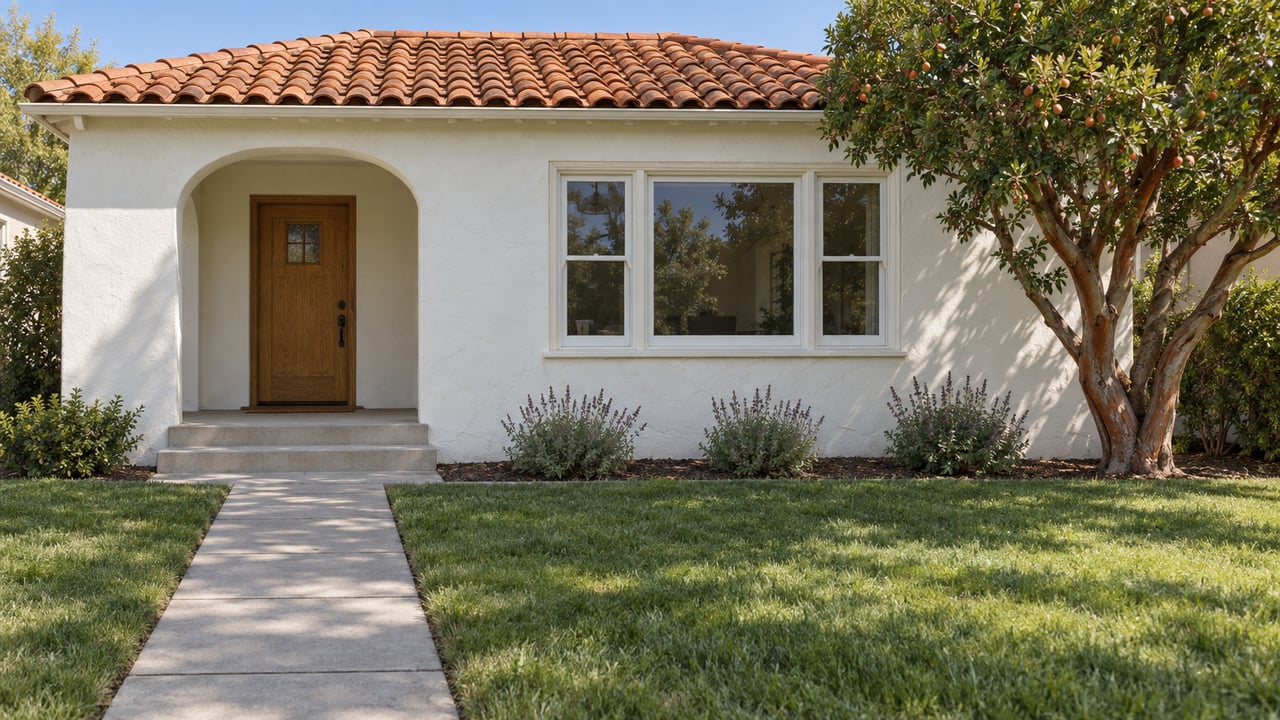
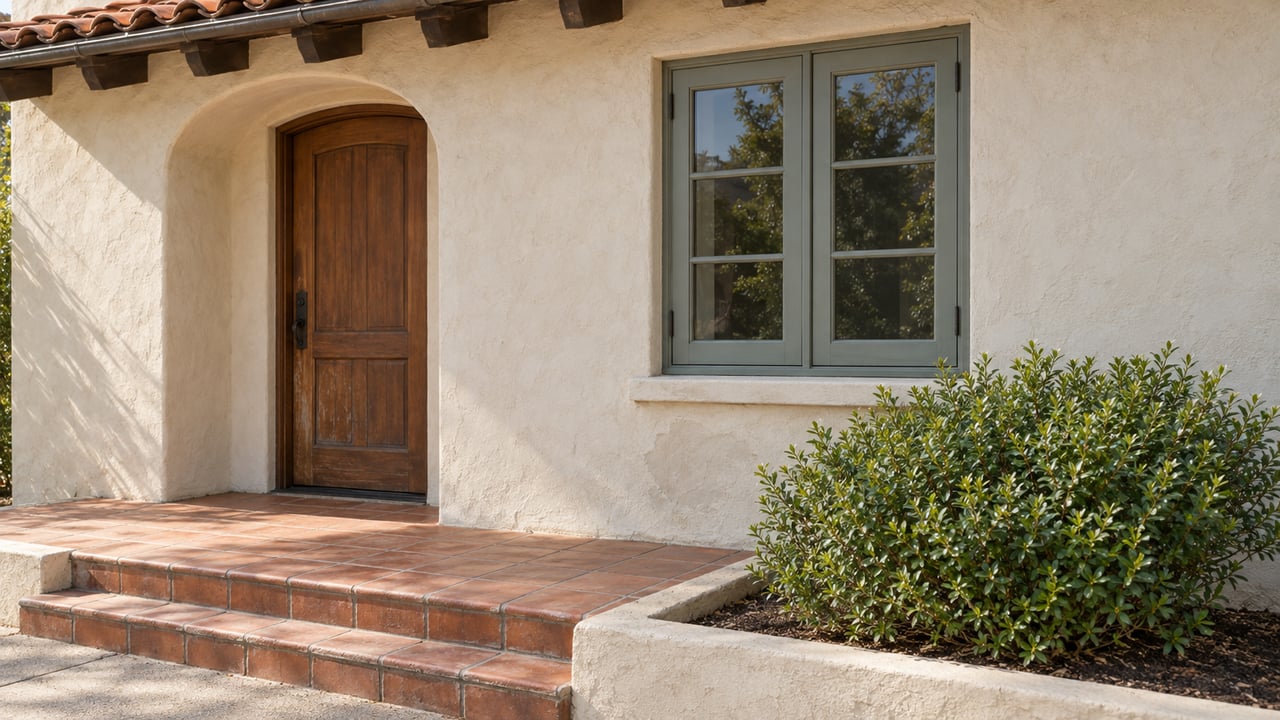
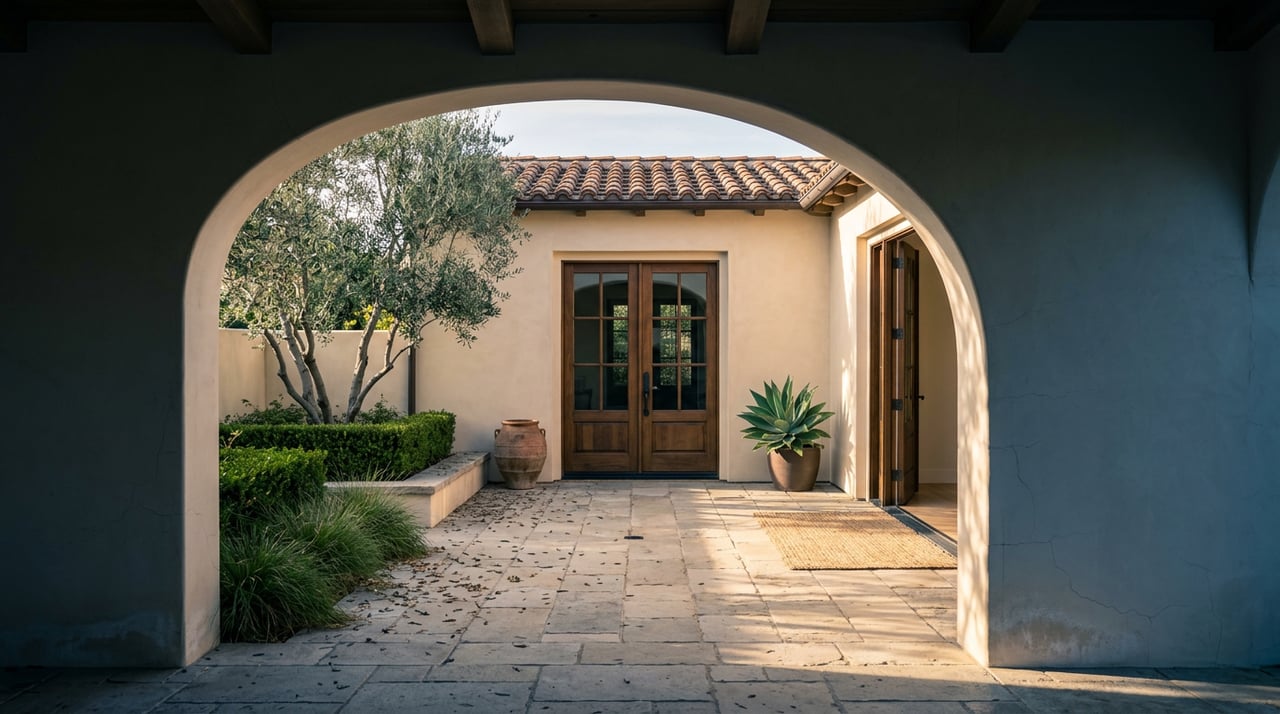
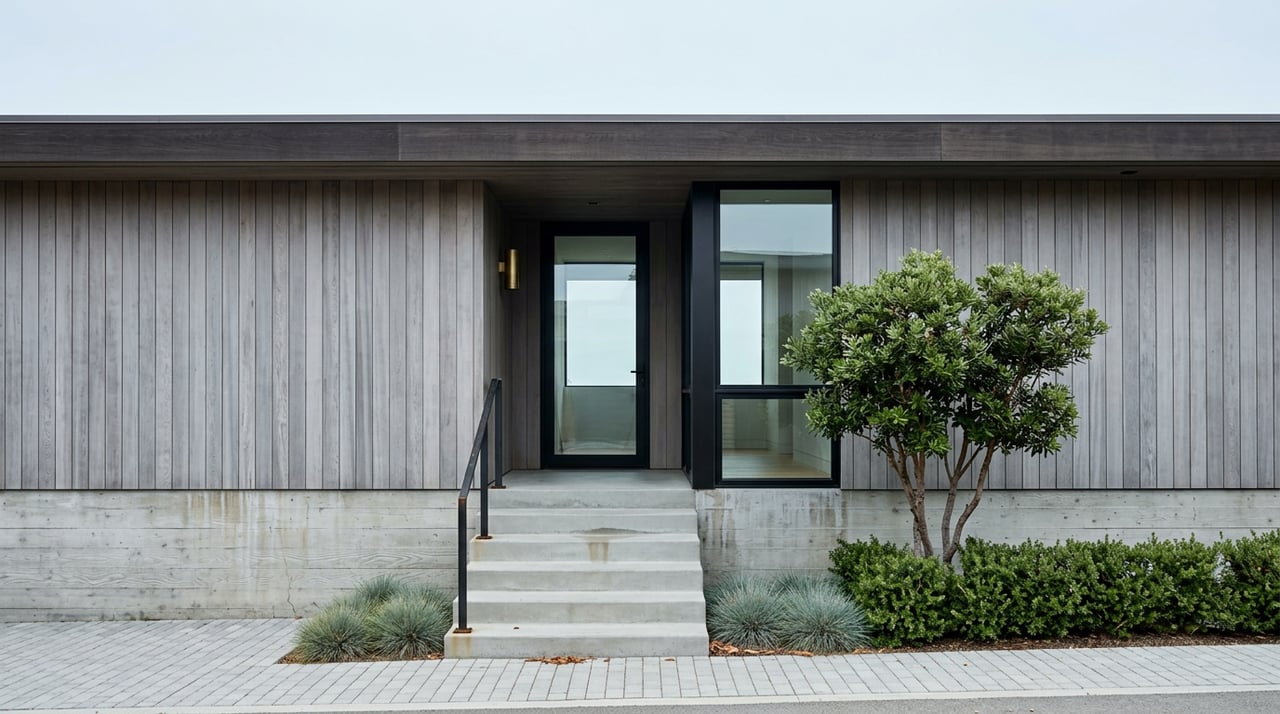
One of the biggest draws of Los Feliz is its architectural depth. The neighborhood has a strong preservation identity, and the City of Los Angeles’ HistoricPlacesLA inventory documents designated and surveyed historic resources throughout the area.
That historic fabric is not limited to a few standout homes. It shows up in apartment houses, courtyard buildings, bungalow courts, and residential streets that reflect multiple eras of Los Angeles design.
Historic styles you will see
The draft National Register nomination for the Los Feliz Village Multi-Family Residential Historic District describes a roughly five-block district along Vermont Avenue between Franklin Avenue and Los Feliz Boulevard. Within that area, contributing buildings include apartment houses, courtyard apartments, and a bungalow court.
The architectural styles represented there include:
- Spanish Colonial Revival
- Mediterranean Revival
- French Renaissance Revival
- Minimal Traditional / Streamline Moderne
- Mid-Century Modern
For design-minded buyers, that range is a big part of Los Feliz’s appeal. For sellers, it is also a reminder that architectural details, provenance, and presentation can strongly shape how a property is perceived.
Signature landmarks in Los Feliz
Los Feliz is home to some of Los Angeles’ most recognizable architectural landmarks. Hollyhock House, located in Barnsdall Art Park, was Frank Lloyd Wright’s first Los Angeles commission and the centerpiece of Aline Barnsdall’s planned arts colony on Olive Hill.
The neighborhood also includes Ennis House, Wright’s last and largest textile-block house in Los Angeles. Another notable property is the Charlotte and Robert Disney Bungalow, a 1914 Craftsman residence tied to Walt Disney’s earliest Los Angeles years and first local animation work.
These landmarks do more than add prestige. They reinforce Los Feliz as a place where architecture is part of daily identity, not just a backdrop.
Griffith Park Shapes Daily Life
It is hard to talk about living in Los Feliz without talking about Griffith Park. The City of Los Angeles describes it as a 4,210-acre municipal park with hiking and horseback riding trails, picnic areas, and major cultural institutions.
For residents, that means access to a huge range of outdoor and public attractions close to home. Few neighborhoods in Los Angeles have this kind of immediate relationship to such a large urban park.
What Griffith Park includes
Griffith Park features:
- Hiking trails
- Horseback riding trails
- Picnic areas
- Griffith Observatory
- Los Angeles Zoo
- Gene Autry Museum
- Travel Town
- Los Angeles Live Steamers Railroad Museum
- Greek Theatre
This concentration of amenities gives Los Feliz a rare mix of recreation and culture. You can have a very local routine here while still being minutes from some of the city’s biggest public destinations.
Griffith Observatory and Barnsdall Art Park
Griffith Observatory sits on the south slope of Mount Hollywood and is owned and operated by the City of Los Angeles. Admission to the building, grounds, and public telescopes is free, which makes it an unusually accessible local landmark.
On the neighborhood’s other side, Barnsdall Art Park at 4800 Hollywood Boulevard adds another cultural anchor. It was donated to the city in 1927 with the intent of preserving Hollyhock House as an accessible arts center, giving Los Feliz a second major public space with a strong arts identity.
Dining, Nightlife, and Everyday Energy
Los Feliz has a village feel because the neighborhood’s commercial core supports regular routines as much as special nights out. The Los Feliz Village BID describes the district as vibrant and historic, with iconic bars, historic restaurants, boutiques, and wellness offices.
Current business listings include places such as Alcove Cafe, Blue Bottle Coffee, Best Fish Taco in Ensenada, Il Capriccio, Yuca’s, 1739 Public House, and Cheetah. The Dresden Room on Vermont also advertises food, cocktails, and live entertainment.
What the social scene feels like
Los Feliz generally reads as layered rather than overwhelming. The village core gives you activity and convenience, while the residential pockets beyond it often feel quieter and more removed.
That balance is a big reason the neighborhood attracts buyers who want character and access without living in a district defined only by nightlife. Evening activity tends to cluster nearer the park edge and commercial streets, rather than extending deep into the hills.
What Buyers Often Notice First
If you are home shopping in Los Feliz, you will likely notice three things quickly: architecture, topography, and lifestyle access. Homes and multifamily buildings often have stronger visual identity here than in more uniform neighborhoods, and the terrain can shape everything from views to street patterns.
You will also feel how closely the neighborhood ties daily life to public assets. Griffith Park, Barnsdall Art Park, local dining, and the village streets all contribute to a lifestyle that feels distinctly Los Angeles, but also unusually neighborhood-driven.
What Sellers Should Keep in Mind
If you are preparing to sell in Los Feliz, the story of your home matters. In a neighborhood known for architectural character and layered identity, buyers often respond to details such as style, setting, historic context, and how a property connects to the broader feel of the area.
That means presentation is especially important. Clean design choices, thoughtful preparation, and marketing that highlights both the home and the neighborhood can help buyers understand not just what they are seeing, but why it matters in Los Feliz.
Why Los Feliz Holds Broad Appeal
Los Feliz appeals to more than one kind of buyer because it offers more than one kind of experience. Some people are drawn to the architectural variety, some to the village convenience, and others to the immediate access to Griffith Park and major cultural destinations.
That range helps explain why the neighborhood continues to stand out within Los Angeles. It offers a combination of design, open space, and local identity that feels hard to replicate.
If you are considering a move in or around Los Feliz, working with a team that understands how to position architecture, lifestyle, and neighborhood character can make a real difference. For design-minded guidance, tailored strategy, and founder-led support, connect with Casty Living.
FAQs
What is Los Feliz known for in Los Angeles?
- Los Feliz is known for its architectural variety, village-style commercial core, access to Griffith Park, and cultural landmarks such as Griffith Observatory, Barnsdall Art Park, Hollyhock House, and the Greek Theatre.
What parks and attractions are near homes in Los Feliz?
- Los Feliz is closely tied to Griffith Park, which includes hiking trails, horseback riding trails, picnic areas, Griffith Observatory, the Los Angeles Zoo, the Gene Autry Museum, Travel Town, the Los Angeles Live Steamers Railroad Museum, and the Greek Theatre. Barnsdall Art Park is also a key neighborhood landmark.
What architectural styles appear in Los Feliz?
- Historic resources in Los Feliz include Spanish Colonial Revival, Mediterranean Revival, French Renaissance Revival, Minimal Traditional / Streamline Moderne, and Mid-Century Modern buildings, especially in the Los Feliz Village historic district area.
What is the difference between Los Feliz Village and the hills?
- Los Feliz Village is the flatter, more walkable commercial core along Hillhurst and Vermont, while hillside areas such as Los Feliz Hills and Franklin Hills tend to feel more residential, more private, and more shaped by views and topography.
What is daily life like in Los Feliz for homebuyers?
- Daily life in Los Feliz often combines neighborhood errands and dining in the village core with easy access to major public amenities, architecture-rich streets, and outdoor recreation in Griffith Park.