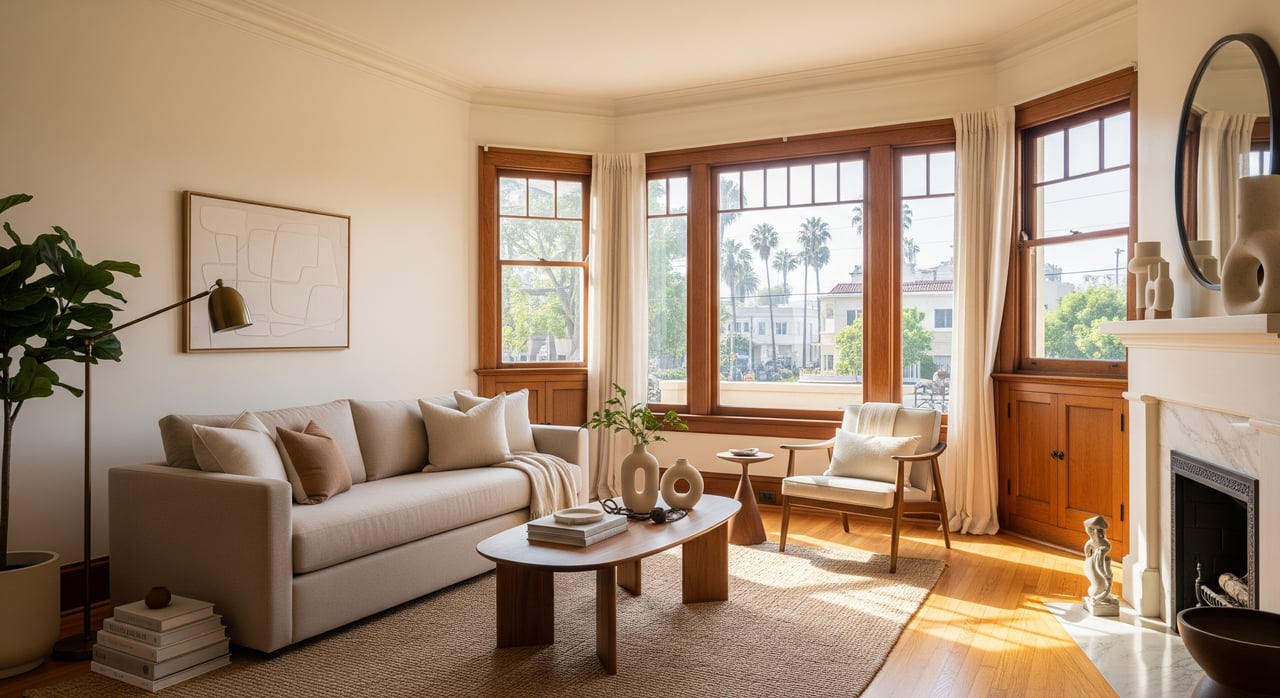
Thinking about selling in West Adams and wondering how to stage your home so it truly stands out? You are not alone. Buyers here love character, but they also expect bright, clean spaces that feel move‑in ready. In this guide, you will learn how to stage Craftsman, Spanish, and small‑lot homes so they photograph beautifully, show well, and honor the neighborhood’s heritage. Let’s dive in.
Why staging matters in West Adams
West Adams draws buyers who value architectural charm, walkability, and central access to job hubs. Many are design‑savvy and respond to listings that blend period details with a fresh, livable feel. Your goal is to present authenticity and ease at the same time.
Large parts of West Adams fall within Historic Preservation Overlay Zones. That means permanent exterior changes may need review, while interior staging and reversible updates are usually fine. Focus on high‑impact, non‑destructive improvements that maximize light, space, and function.
Respect the architecture
The most effective staging in West Adams showcases original details without feeling heavy or dated. Tailor your presentation to your home’s style so buyers immediately connect with what makes it special.
Craftsman homes
Early 20th‑century Craftsman houses often include built‑ins, rich wood trim, and deep porches. Lean into that craftsmanship.
- Keep original wood unpainted where possible and avoid covering it with heavy decor.
- Choose warm, muted palettes that complement woodwork. Think soft greige or warm off‑white for walls, with accents like sage, deep teal, and brick.
- Style built‑ins with simple displays to show everyday function and storage.
- Use natural materials and textures that echo the home’s era without going overly themed.
Spanish and Mediterranean
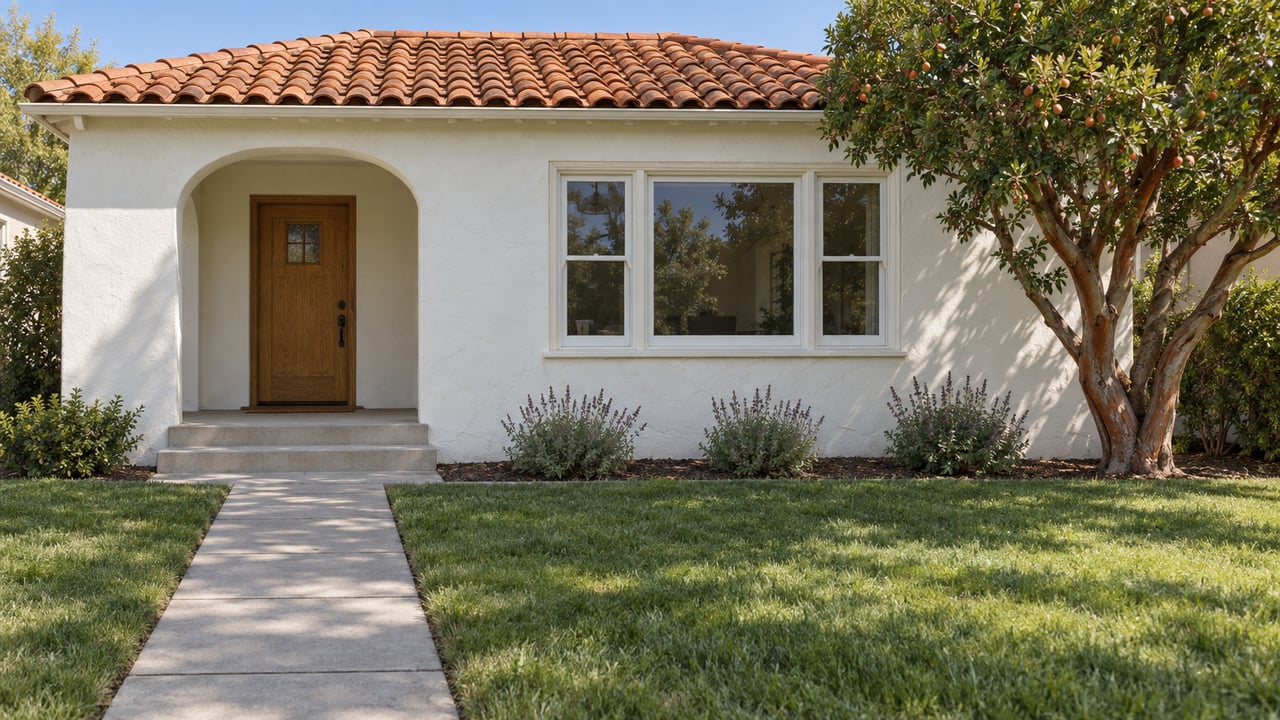
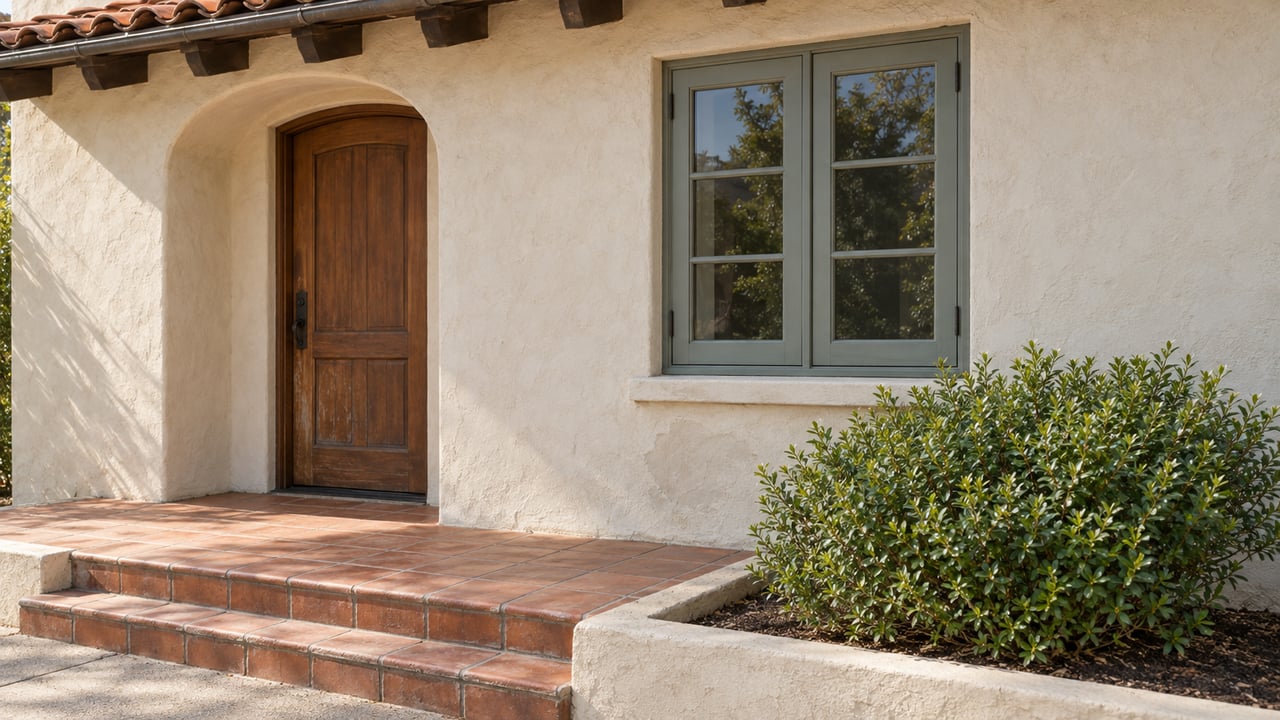
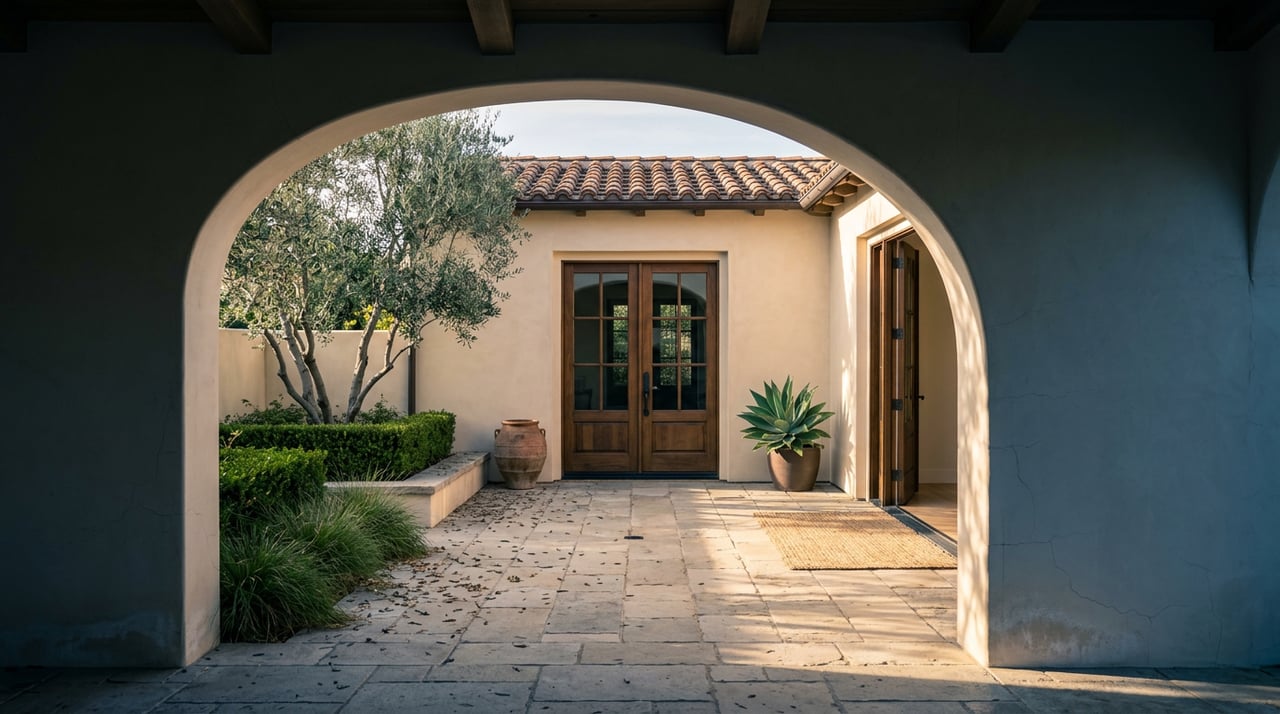
Stucco walls, arched openings, and clay tile roofs define these homes. The aim is warmth and indoor–outdoor flow.
- Start with warm creams and light plaster whites; layer terracotta, olive, or deep turquoise accents in textiles and art.
- Mix in streamlined modern furnishings to keep spaces feeling open and current.
- Avoid clutter in smaller kitchens and baths. Clear counters, good lighting, and a few quality accessories go a long way.
Small‑lot and infill modern
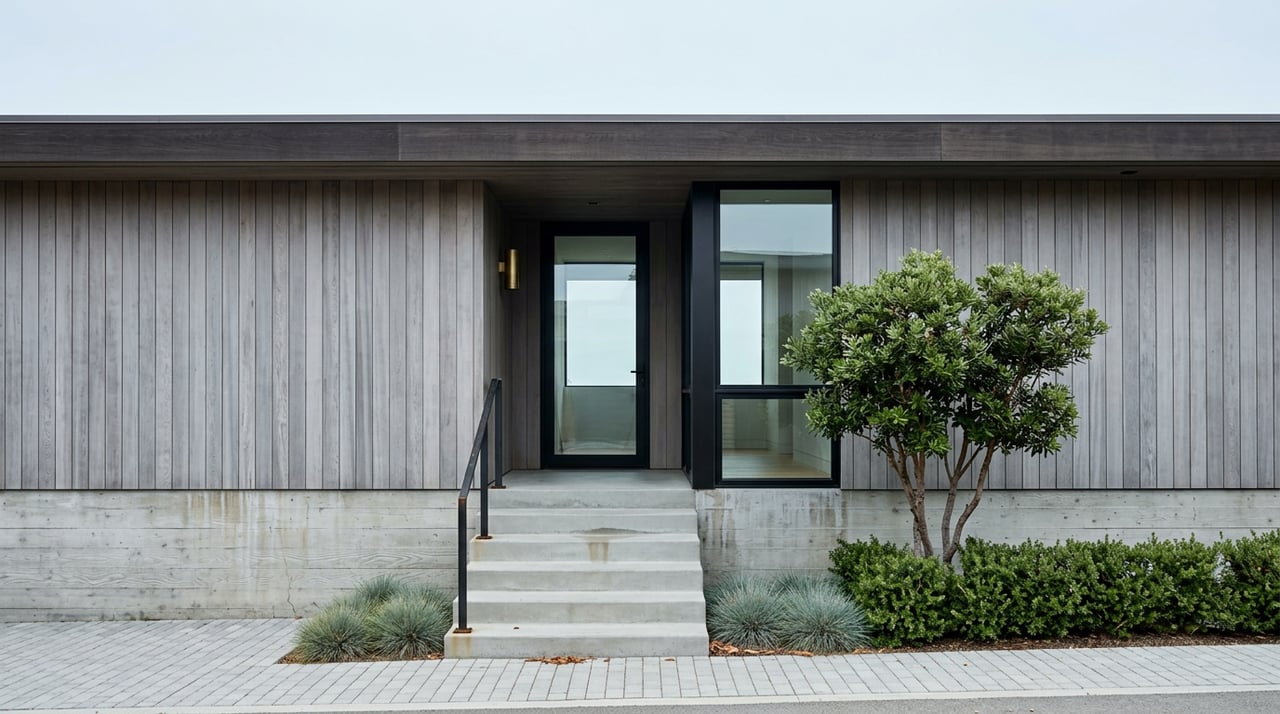
Newer small‑lot homes prioritize efficiency and often have open plans.
- Use light walls, minimal clutter, and leggy furniture to maximize perceived space.
- Keep circulation clear by leaving 2–3 feet where possible around seating groups.
- Add a restrained neutral base with one or two bold accents so photos pop without feeling stark.
Color choices that photograph well
A neutral foundation helps rooms feel larger and brighter, especially in photos. Bring character back in with art, textiles, and natural textures.
- Craftsman: warm off‑white or soft greige walls, accents in muted green, deep teal, and warm wood.
- Spanish: warm cream or light plaster white walls, accents in terracotta, ochre, olive, or deep turquoise.
- Small‑lot: neutral white to pale greige walls, accents in slate blue, charcoal, or muted coral.
Keep accent walls minimal. In historic homes, avoid painting original trim unless it is already painted or damaged.
Furniture that opens space
Scale matters more than style. Right‑sized pieces make rooms feel larger and more livable.
- Living rooms: create a clear focal point like a fireplace or big window. Group seating for conversation and keep sightlines open.
- Choose apartment‑scale sofas or two‑seat options and pair with armless or open‑leg chairs in smaller rooms.
- In bedrooms, a simple headboard, layered bedding, and two matching lamps communicate comfort and function.
- Use appropriately sized rugs to anchor zones and show more floor around edges.
- In compact homes, show dual use. A wall‑mounted desk in a guest room or a drop‑leaf dining table demonstrates flexibility.
Light and window strategy
Light sells. Remove anything that blocks windows and layer warm, even lighting.
- Swap heavy curtains for light sheers, and wash windows to maximize natural light.
- Use a mix of overhead, task, and ambient lamps with warm LED bulbs to create an inviting glow.
- Refresh exterior fixtures and style the porch with a bench or potted plants so curb appeal starts at the street.
Accessories that feel curated
A few well‑chosen pieces can elevate a room, but too many can distract from great bones.
- Reduce personal photos and collections. Use art and mirrors to add scale and brightness.
- Bring in plants for life and texture, but keep them tidy and proportionate.
- Keep kitchen counters almost clear. One small appliance, a bowl of fruit, and a cookbook are plenty.
- In baths, use fresh towels, a small plant, a tray, and bright, flattering light.
Photography that sells the story
Professional photography is essential. Brief your photographer thoughtfully, especially for historic homes and small spaces.
- Ask for natural light, straight horizons, and minimal heavy processing.
- Target 10–25 images that cover the exterior, primary living areas, kitchen, primary bed and bath, secondary spaces, and standout details.
- Include frames that communicate flow, such as an entry shot that leads the eye to the yard.
- For compact rooms, careful lens choice and slightly higher camera height help represent space authentically.
- Consider a twilight exterior only if landscaping and lighting are ready.
Showing readiness and flow
What buyers hear, smell, and feel matters as much as what they see.
- Keep temperature comfortable and scents neutral. Avoid strong fragrances.
- Maintain staging between showings; routinely remove items that creep back in.
- For historic homes, prepare a one‑page callout sheet that highlights original windows, built‑ins, and trim so buyers know what to look for.
High‑impact updates before listing
Most West Adams homes benefit from targeted, reversible work that respects historic fabric and delivers a strong first impression.
- Interior paint in warm, light neutrals
- Deep cleaning, decluttering, and floor polishing or carpet cleaning
- Updated lighting and hardware using period‑appropriate finishes where applicable
- Professional staging and styling
- Minor landscaping such as mulch, trimmed hedges, potted plants, and a freshly painted or cleaned front door
- Professional photography and a simple floor plan
If your property may be within an HPOZ, confirm guidelines before committing to exterior changes that go beyond routine maintenance.
Using Compass Concierge wisely
Compass Concierge can advance funds for pre‑listing improvements like staging, painting, repairs, landscaping, and photography. In West Adams, the smartest use focuses on short‑timeline, high‑impact projects that elevate presentation without altering historic character.
- Fund cosmetic updates that highlight craftsmanship, such as refinishing wood floors or polishing built‑ins.
- Cover professional staging and photography to maximize online appeal.
- Support curb improvements that align with HPOZ requirements, with approvals verified in advance.
Program specifics vary. Confirm terms and eligibility with your Compass agent or the most current program documentation before you proceed.
West Adams staging checklist
Use this prioritized list to organize your prep and keep momentum.
Immediate, low cost (1–2 weeks)
- Deep clean, declutter, and remove personal photos
- Refresh interior paint where needed in neutral tones
- Wash windows and polish or vacuum floors and carpets
- Stage primary rooms first: living, kitchen, primary bedroom
- Add lamps and check brightness throughout; open all window coverings for photos
- Tidy the porch, add potted plants, and clean or paint the front door
Moderate cost, short timeline (2–4 weeks)
- Professional staging rental for a full, cohesive look
- Replace dated lighting and interior hardware
- Refinish or repair wood floors and touch up visible plaster or cracks
- Book professional photography and a simple floor plan
Always verify first
- If you suspect HPOZ status, check requirements before any exterior changes or new fixtures
Put your plan into action
A well‑staged West Adams home shines by honoring its character and maximizing light, space, and function. Focus on reversible, design‑forward steps that photograph beautifully and feel effortless in person. With the right prep, you will attract more buyers and give your home the curated presence this neighborhood appreciates.
If you want a turnkey approach that covers staging, project management, and premium marketing, reach out to Casty Living. Our boutique, design‑led team uses Compass tools and on‑the‑ground expertise to prepare, position, and sell with confidence. Ready to talk strategy for your address? Connect with Casty Living.
FAQs
What staging works best for a West Adams Craftsman?
- Emphasize original wood and built‑ins, use warm neutrals with muted green or deep teal accents, and choose scaled furniture that keeps sightlines open.
How should I stage a Spanish or Mediterranean home in West Adams?
- Start with warm, light walls and layer terracotta or olive accents, then mix in simple modern furnishings to balance character with a clean look.
What is the right approach for small‑lot homes in West Adams?
- Maximize perceived space with light walls, leggy furniture, and multipurpose pieces, and keep circulation paths clear for both photos and showings.
Can I make exterior changes if my home is in an HPOZ?
- Interior staging is fine, but many exterior alterations require review, so confirm local guidelines before committing to anything beyond cosmetic maintenance.
Which rooms should I prioritize for staging before selling?
- Focus on the living areas, kitchen, and primary bed and bath, and then highlight original details like built‑ins or trim as secondary selling points.
Is a full kitchen or bath remodel necessary before listing?
- Not usually, since light cosmetic updates like paint, hardware, and improved lighting often deliver stronger returns than major renovations in a short timeline.